New five-day museum pass connects three Boundary Country heritage sites
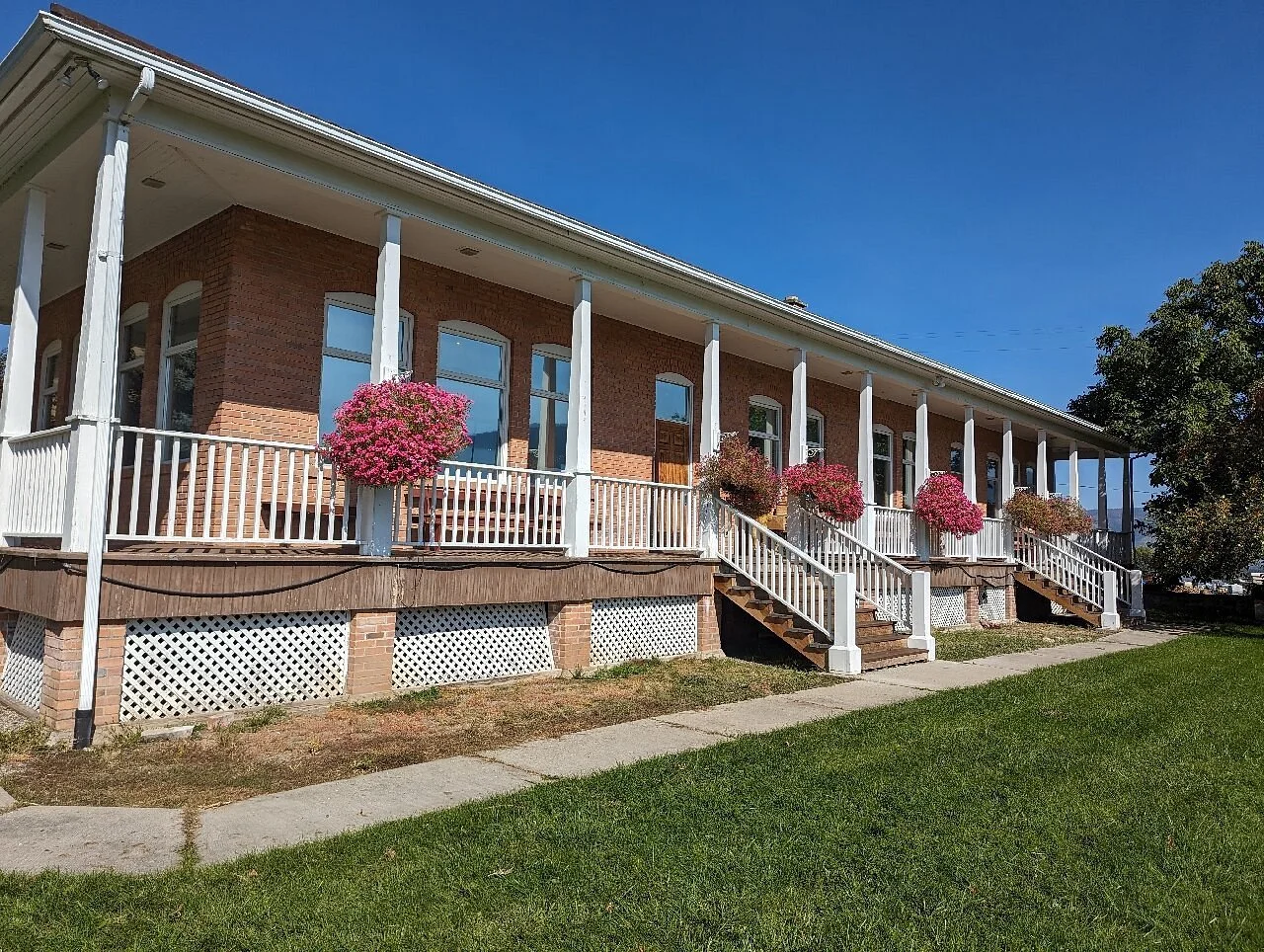
The Boundary Museum & Archives at the Fructova Heritage Site near Grand Forks is one of three museums included in the new Boundary Country Museum Pass.
A new regional museum pass is giving residents and visitors a way to explore three different parts of Boundary Country’s history with one purchase.
Introduced for the 2026 season, the Boundary Country Museum Pass includes admission to the Boundary Museum & Archives near Grand Forks, the Greenwood Museum Archives & Visitor Centre and the Kettle River Museum in Midway. Each pass can be used at all three museums within a five-day period. Available from May through September, the pass can be purchased at any of the participating museums or online through the Boundary Museum website.
Although the museums are spread along the Highway 3 corridor, their collections cover different communities and parts of the region’s history. The Boundary Museum presents a broad regional collection with a strong focus on Doukhobor and Grand Forks-area history. Greenwood’s museum concentrates on mining, smelting, forestry and the forced internment of Japanese Canadians. The Kettle River Museum is built around Midway’s railway history and the communities of the western Boundary.
Boundary Museum & Archives
The Boundary Museum & Archives is located at 6145 Reservoir Road, west of Grand Forks, at the Fructova Heritage Site.
The museum occupies the former Fructova School, a brick building constructed by the Doukhobor community in 1929 on land associated with the former Gritchen village. The school remained in use until the late 1940s, was restored by the Doukhobor Historical Society of British Columbia during the 1980s and became the home of the Boundary Museum in 2009.
Its exhibits cover communities and events from across the Boundary, including Grand Forks, Christina Lake and the former mining city of Phoenix. Displays also examine local agriculture and industry and the experiences of Doukhobor, Japanese Canadian, Chinese and Indigenous people in the region.
The museum is more than a single exhibition building. Its collection includes several large artifacts restored by the Boundary Woodworkers Guild, including the Grand Forks-Bossburg stagecoach, a Burns delivery wagon and a McLaughlin one-horse sleigh. Visitors can also explore the Fructova grounds and exhibits related to Doukhobor and pioneer life.
Summer hours listed by the museum are Tuesday through Sunday from 9 a.m. to 5 p.m. From March through April and during the fall season, hours are Tuesday through Friday from 9 a.m. to 4 p.m. The museum is closed during the winter. Regular admission is $10 for adults, $8 for seniors and students ages seven to 16, and free for children six and under.
The archival office is separate from the museum and is located at Grand Forks City Hall. It is open year-round from 9 a.m. to 3 p.m. Tuesday through Thursday.
Greenwood Museum Archives & Visitor Centre
The Greenwood Museum is located at 214 South Copper Avenue in downtown Greenwood, making it the most accessible of the three for travellers stopping directly along Highway 3.
Its collection follows Greenwood’s transformation from a mining and smelting centre into the community that exists today. Exhibits include mining tools and artifacts associated with the B.C. Copper Company smelter, along with material connected to forestry, railways, early businesses and daily life in the former mining city.
A major part of the museum examines the experiences of Japanese Canadians who were forcibly removed from the coast during the Second World War. More than 1,100 Japanese Canadians were sent to Greenwood beginning in 1942, occupying former hotels, stores and other buildings at a time when the city’s population had fallen to about 200. The museum’s exhibits and archives document the families who lived there and the community they established under internment.
The archival collection includes photographs, newspapers, maps, mining company records, Japanese Canadian family records, audio-visual materials and community files dating from the 1890s.
The building also operates as Greenwood’s visitor centre. Travellers can obtain local maps, a self-guided heritage walking tour and information about the Phoenix Interpretive Forest driving route. Guided tours of Greenwood’s 1903 courthouse and former jail can also be arranged through the museum for an additional fee.
The museum lists hours of 9 a.m. to 5 p.m. from July 1 through Aug. 31. It is open from 10 a.m. to 4 p.m. during May and June and again from Sept. 1 through Oct. 31. Winter visits are available by appointment. Admission is $7.50 for adults, $2.50 for students and free for children six and under. Visitors can call 250-445-6355 to confirm the day’s hours or arrange a tour.
Kettle River Museum
At the western end of the museum-pass route, the Kettle River Museum is located at 907 Highway 3 in Midway.
The museum sits at “Mile 0” of the Kettle Valley Railway and is centred on Midway’s original turn-of-the-century railway station house. The 2.5-acre property includes the station, a section house, an outdoor artifact yard and a restored Canadian Pacific Railway caboose that visitors can climb aboard.
Inside the station are exhibits about the steam railway era and the British Columbia Provincial Police. The main museum broadens the story with displays covering the Kettle River Valley’s railway, mining, forestry, agricultural and community history. There is also a shaded picnic area and a small gift shop with regional history books and memorabilia.
The museum lists summer hours of 10 a.m. to 4 p.m. Visitors should call 250-449-2614 to confirm before travelling. Its 2026 season ends Sept. 27, after which visits are available by appointment. Admission is free for children under six, $5 for children ages seven to 15, $7.50 for visitors 16 and older, and $30 for a family.
Three museums, three parts of the Boundary story
The five-day format means pass holders do not have to visit all three sites in one trip. They can begin with the regional collection near Grand Forks, continue through Greenwood’s mining and Japanese Canadian history and finish among Midway’s railway buildings and equipment.
The pass also gives the three museums a shared way to direct visitors farther along Highway 3. Someone who might otherwise stop at only one museum can follow the region’s history across three communities, with each collection adding material that is not available at the other two.
Because museum schedules can change with seasonal staffing and special events, visitors should confirm hours before travelling, particularly outside July and August.

Grizzly Discoveries Inc. is seeking to raise up to $2 million as the company continues fall exploration across its Greenwood-area properties and prepares for drilling planned between October and December.