Grand Forks adopts new business-licence bylaw, keeps $75 standard fee
Grand Forks council adopted Business Licence and Regulation Bylaw No. 2126 on Sept. 21, replacing the city’s previous business-licence bylaw.
Photo credit: City of Grand Forks
GRAND FORKS — Grand Forks businesses are now operating under a new business-licence bylaw that keeps the city’s standard $75 annual fee while setting out licensing, inspection, fire-safety and enforcement requirements.
Business Licence and Regulation Bylaw No. 2126 was adopted by council Sept. 21 and took effect the same day. It replaces the city’s 1993 business-licence bylaw following a public-feedback process launched earlier this summer.
Under the final rules, anyone carrying on a business in Grand Forks must hold a valid business licence unless an exemption applies. A separate licence is required for each business operating from the same premises and for businesses operating from separate locations.
The standard annual licence fee is $75. Registered societies pay $25, businesses with more than 20 employees, excluding itinerant businesses, pay $200, and itinerant businesses are charged $250. Licences generally run from Jan. 1 to Dec. 31, with renewals due by Jan. 31, and businesses must display a copy of their licence at the premises, vehicle, structure or other place from which they operate.
The bylaw gives the city’s licence inspector authority to request information needed to determine whether an applicant meets licensing requirements. Depending on the type of business, that can include proof of occupancy, professional or regulatory approvals, insurance, floor plans and documentation related to food service, liquor, cannabis or fire safety. A licence cannot be issued if applicable licensing fees, or outstanding fees or fines owed to the city in connection with that business or another business operated by the same applicant, remain unpaid.
Licence holders must also request a fire-safety inspection once each calendar year and provide evidence satisfactory to the city of compliance with the Fire Safety Act.
The licence inspector or a bylaw enforcement officer may enter business premises at a reasonable time, subject to the Community Charter, to determine whether the requirements of the bylaw or a business licence are being met. City officials may also require proof of applicable certifications, permits, approvals or qualifications.
Licences can be refused, suspended or cancelled for non-compliance, breach of licence conditions or other reasonable cause pursuant to the Community Charter. An applicant or licence holder affected by such a decision has 10 business days to request council reconsideration in writing through the city’s corporate officer.
The bylaw also deals with nuisance activity, garbage and the use of public and outdoor spaces. Businesses may not permit nuisance activity by patrons on their premises, adjacent properties or neighbouring public spaces, and they must not permit patrons to loiter in adjacent public places. Commercial garbage bins must generally remain locked when they are not actively being used, while licence holders must ensure patrons do not deposit refuse on the business premises outside designated garbage bins or leave refuse in adjacent public places.
Businesses marketing goods or services, or otherwise carrying on business in a public place, require a business licence as well as any other applicable city permit or approval. A business operating in a private outdoor area must also be licensed to operate from the adjacent indoor premises.
Violating the bylaw is an offence, and each day a violation continues can constitute a separate offence. If a case is prosecuted under the Offence Act, a conviction can result in a fine of between $3,000 and $50,000, along with other penalties, compensation or costs authorized by law.
One provision changed from what the Boundary Sentinel reported when the proposal was released in July.
The earlier version described by the Sentinel would have exempted residential garage and yard sales from business-licence requirements when they lasted no more than two consecutive days and were held no more than twice per year. The adopted bylaw allows qualifying sales to run for as many as three consecutive days and take place up to four times per year, provided they are held at the person’s usual residence and involve their own used household or personal property.
Council gave the bylaw first and second readings July 13. Statutory notice was issued Aug. 5, third reading followed Aug. 17 and council adopted the final version Sept. 21.
For businesses, the final bylaw keeps the standard $75 annual licence fee while setting the rules they must follow for applications, renewals, inspections, fire safety, licence display and compliance.





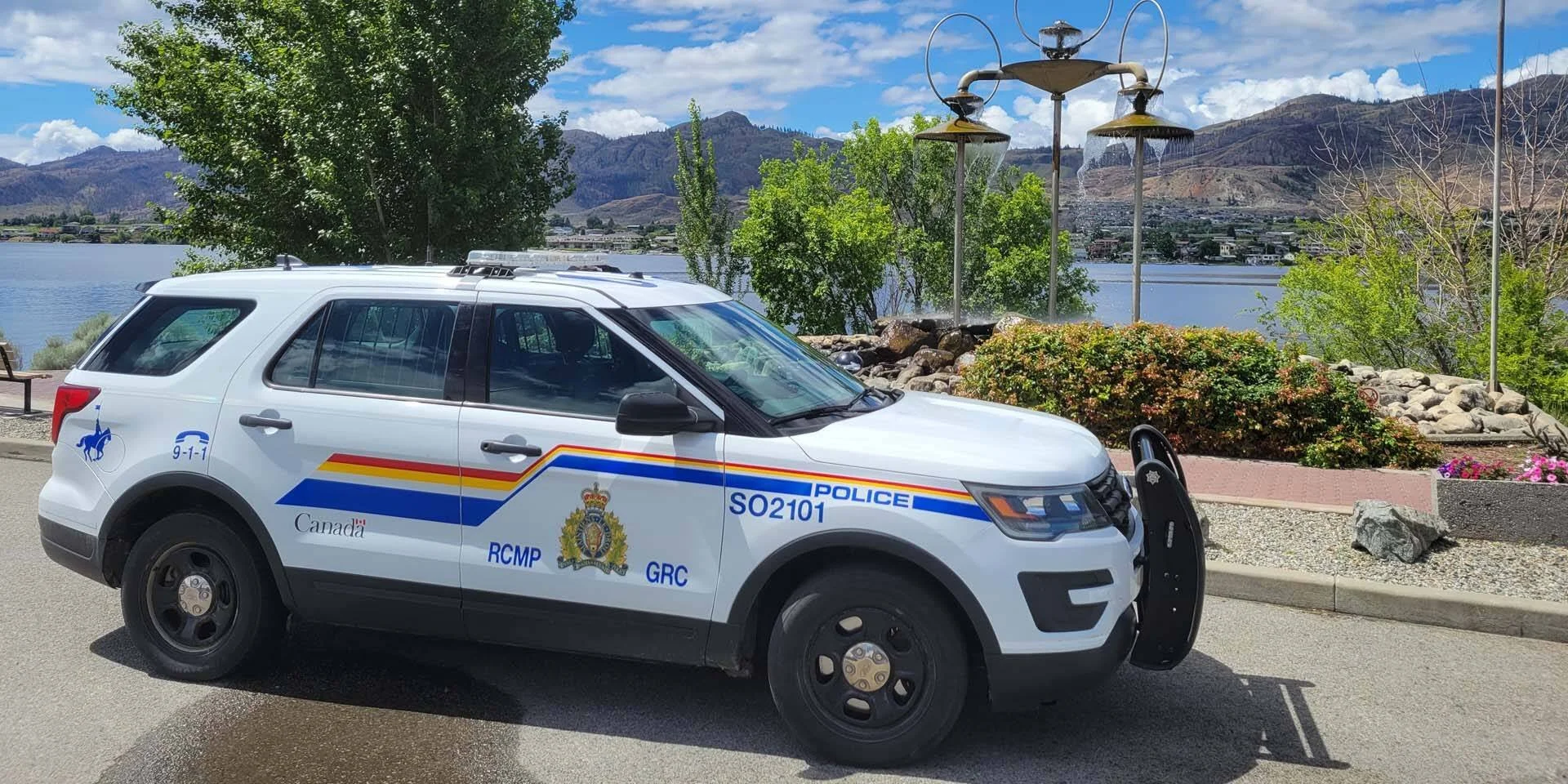




RCMP seized suspected fentanyl and cocaine, a firearm and cash after executing a drug-trafficking search warrant at a residence on 24th Avenue earlier this week.