B.C. declares state of provincial emergency as wildfires drive mass evacuations
About 55 people airlifted from affected areas, including Faulder, as Bald Range wildfire races toward Summerland; BC Wildfire Service warns current conditions are unlike any it has faced before
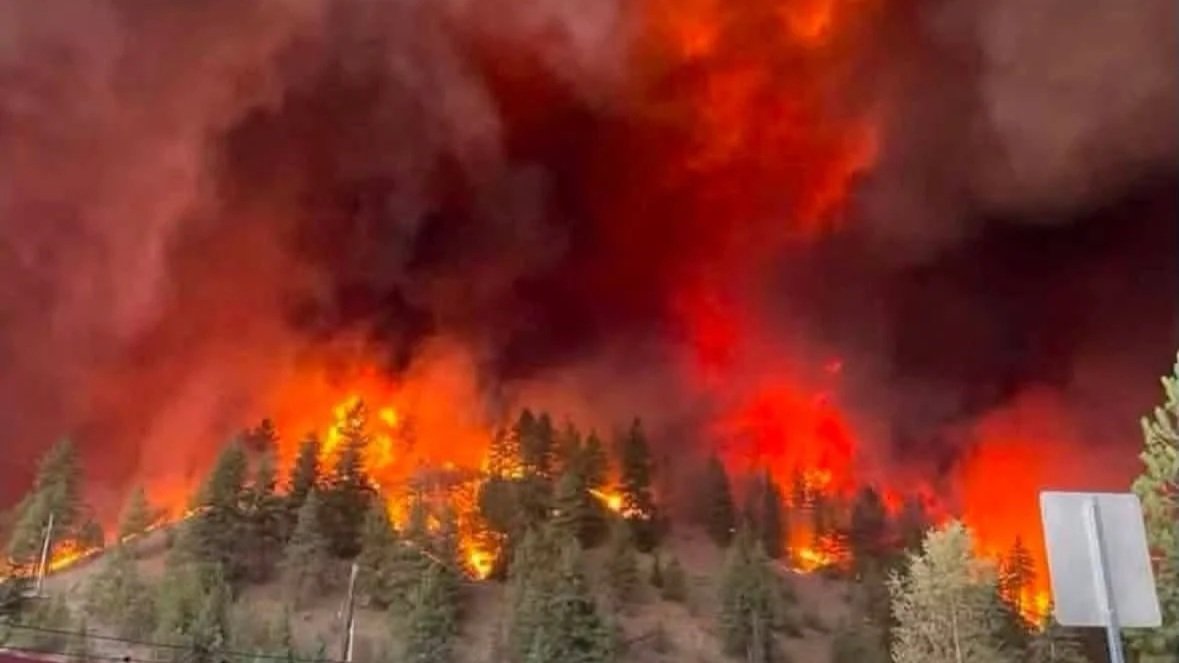
Summerland was quickly evacuated last night due to a fast paced fire that quickly got out of control.
Photo: Submitted
VICTORIA — British Columbia has declared a state of provincial emergency as an extraordinarily fast-moving wildfire in the South Okanagan forces mass evacuations, destroys property and leaves some people isolated behind the fire perimeter.
EmergencyInfoBC listed the provincial emergency declaration in an update at 1 p.m. Saturday, Aug. 8, saying the state of emergency had been declared because of regional wildfires. Premier David Eby’s office followed with a written statement at 1:35 p.m. confirming Emergency Management and Climate Readiness Minister Kelly Greene had made the declaration.
Greene announced the decision during an official provincial wildfire briefing Saturday afternoon.
“We're relying on the expert advice of emergency management professionals and the BC Wildfire Service,” Greene said. “And today, based on that expert advice, I am declaring a state of provincial emergency.”
The declaration followed the explosive growth of the Bald Range wildfire, K51490, and the large-scale evacuation that unfolded across the South and Central Okanagan Friday night and Saturday morning.
Eby said emergency officials advised government that the rapidly changing situation meant they needed the additional powers that come with a provincial declaration available immediately.
The province has confirmed significant losses of homes and property, although the full extent of the damage has not yet been established.
It has also confirmed that some people became trapped as conditions changed rapidly.
“Our immediate priority is protecting lives and supporting rescue efforts,” Eby said in the provincial statement.
Air evacuations were continuing Saturday afternoon for people who remained isolated behind the fire perimeter, according to the Premier’s Office.
About 55 people evacuated by helicopter
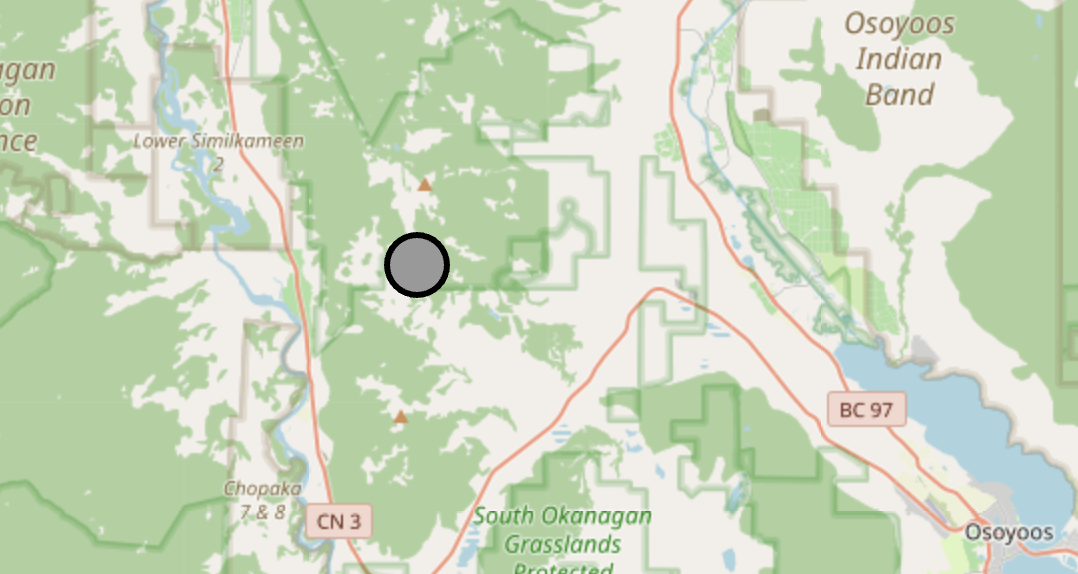
The Bald Range wildfire was first reported approximately 15 kilometres west of Summerland early Friday evening and expanded with extraordinary speed.
The fire was estimated at just eight hectares shortly after 5:30 p.m. Friday. It grew to approximately 50 hectares within minutes, about 400 hectares shortly after 7 p.m., about 1,000 hectares around 7:30 p.m. and an estimated 5,000 hectares later that evening.
By Saturday morning, BC Wildfire Service had mapped the fire at approximately 9,500 hectares. It remained classified as out of control Saturday afternoon.
The speed of the fire left some people unable to evacuate by road.
Approximately 55 people were airlifted from affected areas, including Faulder, as the wildfire rapidly advanced Friday night.
During Saturday’s provincial briefing, BC Wildfire Service director of provincial operations Cliff Chapman said firefighting aircraft had to switch rapidly from suppression work to evacuation as the situation deteriorated.
Officials have not publicly confirmed how many helicopters were involved specifically in carrying the approximately 55 evacuees.
Three helicopters had been among the resources assigned to the wildfire earlier Friday, but that does not establish how many aircraft ultimately conducted evacuation flights.
The number of people rescued by air Friday night may also not be the final number because the province confirmed additional air evacuations were continuing Saturday afternoon.
Chapman described Bald Range as an exceptional operational challenge.
“This is one of the more challenging fires that we have ever faced, and we're only in our second operational period,” he said during Saturday’s briefing.
Chapman said crews from multiple agencies worked through the night and credited that combined response with saving lives.
“We worked through the night to continue that effort with all agencies involved, and I feel very strongly that many lives were saved because of the efforts of so many agencies,” he said.
Entire Summerland community ordered out
The scale of the evacuation expanded dramatically between Friday evening and Saturday.
The District of Summerland confirmed Saturday that the evacuation order for the entire community remained in effect.
Summerland had also declared a state of local emergency because of the Bald Range wildfire.
Evacuations have involved several jurisdictions.
A B.C. Emergency Alert issued at 12:45 p.m. Saturday identified evacuation orders from the Regional District of Okanagan-Similkameen, Regional District of Central Okanagan, District of Summerland and Penticton Indian Band.
The alert ordered people to evacuate immediately from Summerland, Faulder and other affected areas extending through portions of the South and Central Okanagan.
“The Bald Range Wildfire is creating a significant risk to life,” the emergency alert stated.
People unable to evacuate were instructed to call 911.
‘Conditions that we have never seen before’
Officials are using unusually strong language to describe the wildfire conditions confronting crews across the Southern Interior.
Chapman told Saturday’s provincial briefing that the danger extends beyond the existing Bald Range fire.
“I cannot stress enough that the conditions we are facing right now are conditions that we have never seen before,” he said.
He described conditions in the southern third of the province as “explosive” and warned that another newly ignited wildfire could display similarly extreme behaviour.
“When we see a fire start, when we see the smoke lift, we are going to be challenged, and we may see fires do what we saw on this fire last night,” Chapman said.
Despite those extraordinary descriptions, Bald Range has not been declared the worst wildfire in British Columbia history.
Officials have described its speed, behaviour and operational difficulty as exceptional, but have not called it the province’s largest or worst individual wildfire.
The historical comparison instead points to the 2023 wildfire season, which the provincial government described at the time as the “worst wildfire season ever in British Columbia.”
Last provincial wildfire emergency was in 2023
The last province-wide wildfire state of emergency was declared on Aug. 18, 2023.
Numerous fires were threatening communities across B.C. Thousands of people were under evacuation orders and tens of thousands more were on evacuation alert.
The province was also facing mounting pressure on temporary accommodation in the Interior as more residents were displaced.
The 2023 declaration was made so the province could quickly access additional emergency powers as conditions deteriorated.
“Given these fast-moving conditions, the Province of British Columbia is declaring a provincial state of emergency,” Eby and then-emergency management minister Bowinn Ma said in the Aug. 18, 2023 statement.
The province subsequently used those emergency powers to restrict some non-essential travel and make temporary accommodation available for evacuees and emergency workers.
The temporary accommodation measures freed thousands of rooms for evacuees and emergency personnel before the restrictions were lifted Aug. 25.
The provincial state of emergency was extended on Aug. 31. At that point, nearly 70,000 people remained under either evacuation order or evacuation alert.
It expired at the end of Sept. 14, 2023, after wildfire risk diminished in much of the province and evacuation numbers declined substantially.
By Sept. 14, about 370 people remained under evacuation order and more than 18,000 remained on alert.
Different emergency law now in place
Saturday’s declaration is being made under B.C.’s Emergency and Disaster Management Act, which came into force in November 2023 and replaced the Emergency Program Act that governed the previous wildfire emergency.
Under the current law, the minister can declare a state of provincial emergency when satisfied an emergency is present in all or part of British Columbia.
The declaration gives the provincial government access to additional emergency powers that can be used as required during the response.
Because Saturday’s declaration was made by Greene as minister, it expires after 14 days unless it is extended or cancelled earlier. Cabinet can extend a provincial declaration for additional periods of up to 28 days.
A provincial state of emergency does not automatically impose travel restrictions across British Columbia.
Greene said Saturday that no travel restrictions were in place when the declaration was announced.
“Right now, there are no travel restrictions in place,” she said.
She did, however, ask people to avoid travel to Summerland and other directly affected communities because of the scale of the evacuation and the number of emergency personnel working in the area.
The provincial emergency gives government the ability to take further measures if necessary, including securing accommodation and imposing localized travel restrictions.
Okanagan Indian Band continues recovery from Bradley Creek fire
The Bald Range emergency comes as another Okanagan First Nation continues dealing with the aftermath of a major wildfire.
The Bradley Creek wildfire tore through Okanagan Indian Band reserve lands near Vernon beginning Aug. 1, destroying homes and forcing extensive evacuations.
On Saturday afternoon, Okanagan Indian Band said conditions had improved enough for further re-entry and recovery planning to begin.
Some residents had already been permitted to return, but the Band warned that other areas remained unsafe because of hotspots, fire-damaged trees, damaged electrical infrastructure, burned structures and compromised essential services.
An evacuation alert remained in effect for residents returning to areas where evacuation orders had been rescinded.
A do-not-consume order remained in place for all addresses served by the OKIB water system.
OKIB also said its emergency response was changing as wildfire resources were required elsewhere in the region.
“The emergency response continues to adapt as wildfire resources are needed elsewhere in the region,” the Band said in its Saturday afternoon update.
Bald Range response continues
BC Wildfire Service was bringing additional firefighters, structure-protection personnel, fire departments, heavy equipment and aircraft into the Bald Range response Saturday.
Helicopters and airtankers were expected to be used for objectives including structure protection, delivery of water and suppressant and reconnaissance when smoke and visibility allowed.
Firefighters were working to establish containment lines after the wildfire made a rapid run east toward Okanagan Lake.
The situation remains particularly dangerous because of the speed with which conditions can change.
Chapman urged residents to take evacuation orders seriously.
“If we recommend an evacuation order, I need to stress: now is the time to leave,” he said.
Eby issued a similar warning in the province’s written statement, telling residents under evacuation orders to leave immediately and follow the directions of local emergency officials.
The state of provincial emergency remains in effect as rescue operations, evacuations and firefighting continue across the region.
This story reflects information available Saturday afternoon, Aug. 8. The Bald Range wildfire and evacuation situation are changing rapidly.
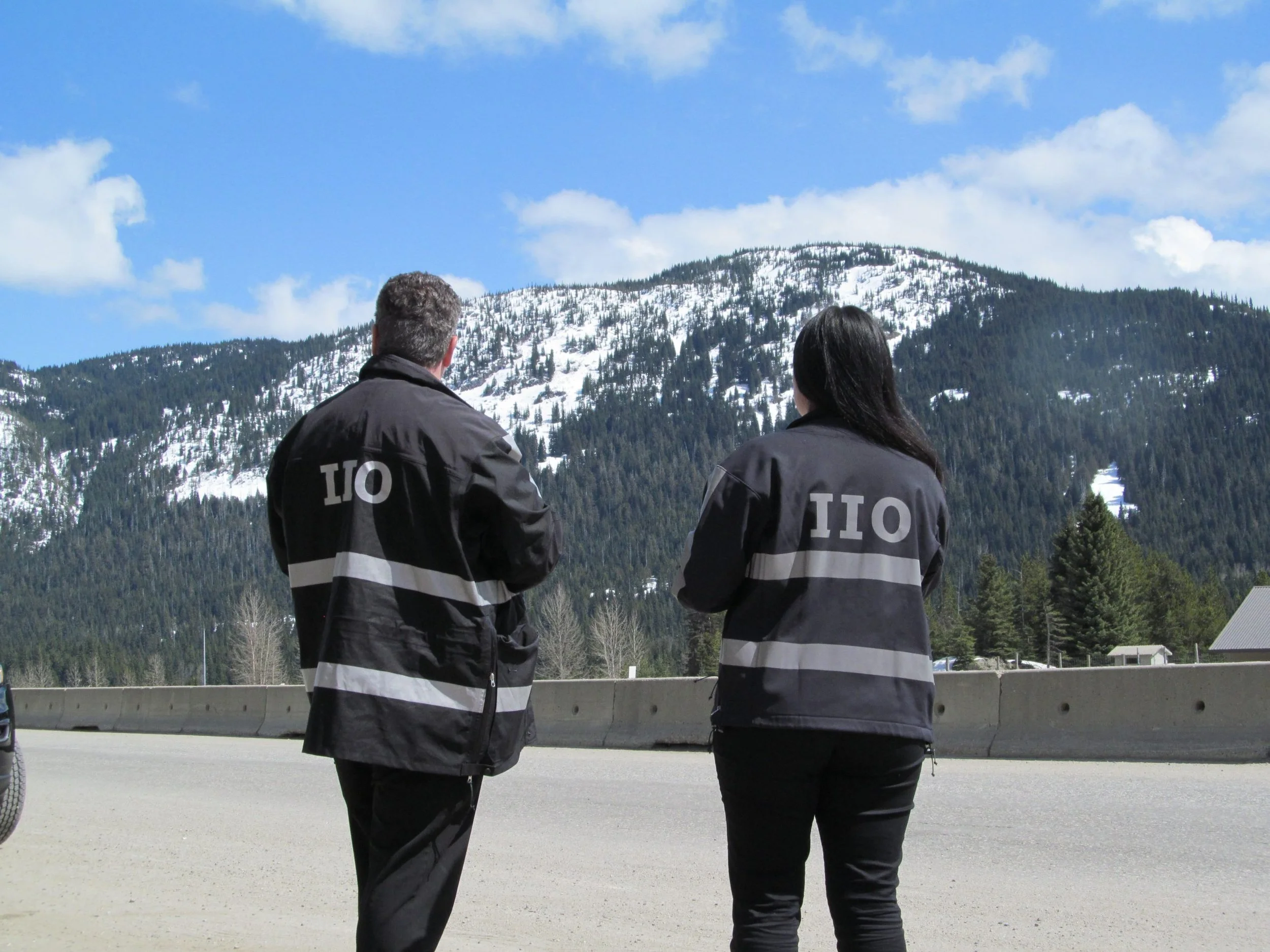






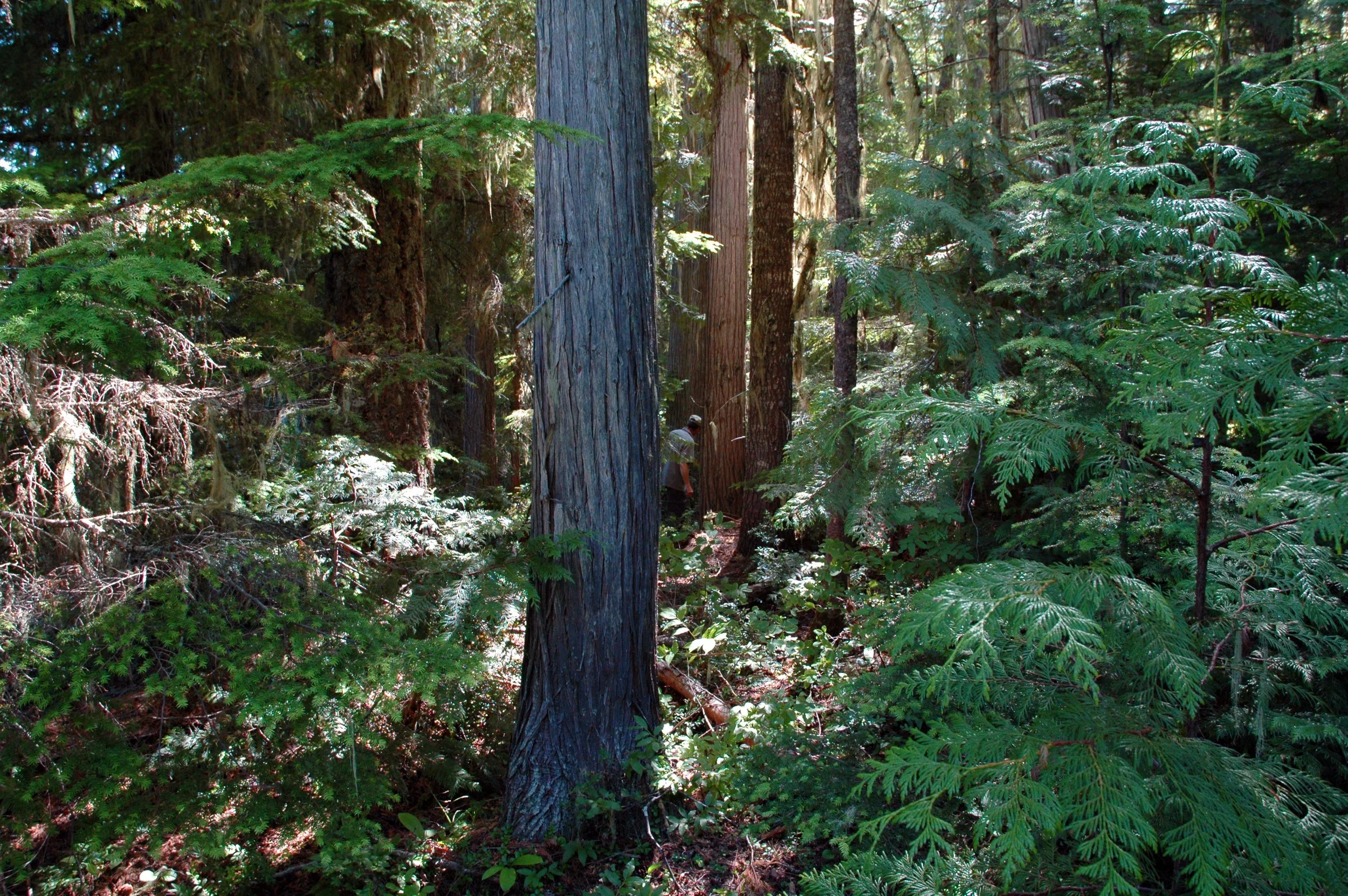

Residents across parts of the Kootenays could see smoke in the coming days as the BC Wildfire Service prepares to support six prescribed and ecosystem restoration burns across the Southeast Fire Centre.