Wildfires squeeze West Kootenay SPCA as surrender wait list persists
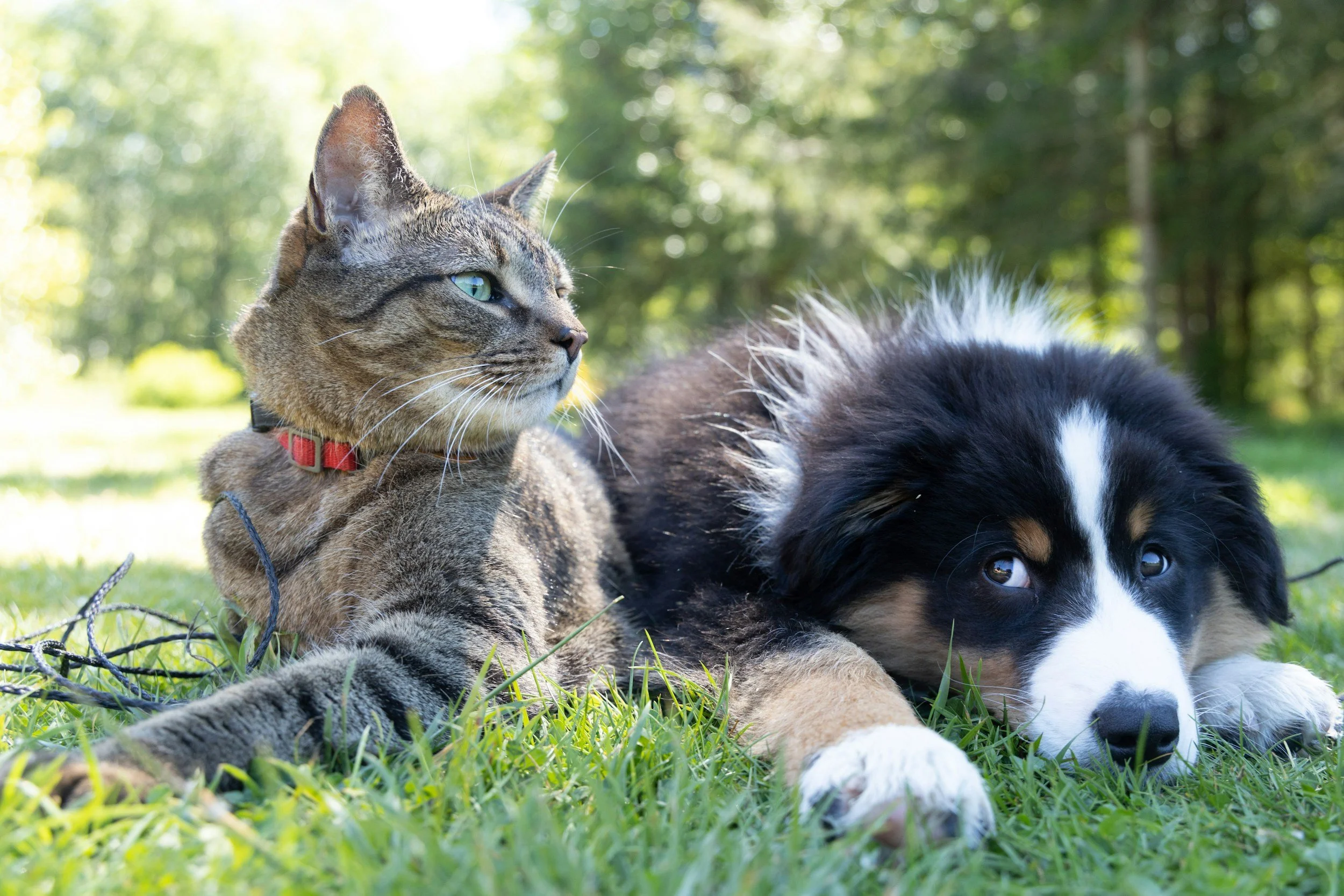
The BC SPCA’s West Kootenay Community Animal Centre is managing a continuing surrender wait list while also supporting animals affected by this summer’s wildfires.
File photo
The BC SPCA’s West Kootenay Community Animal Centre was temporarily holding community surrenders as of Aug. 28, keeping space available as the organization continued responding to animals displaced by wildfires.
More than 130 animals belonging to wildfire evacuees had been placed in emergency boarding across the Thompson, Okanagan and Kootenay regions over the preceding weeks, according to Danielle Jackman, centre manager for the BC SPCA – West Kootenay & District.
The Castlegar centre continued to receive animals through cruelty investigations, while community surrenders were paused. Jackman said she expected the centre would be able to resume regular operations shortly.
The wildfire response has added pressure at an already busy time.
As of Aug. 28, the West Kootenay centre had 54 animals in care between the Castlegar facility and its network of foster homes. The centre has humane living spaces for 18 adult cats, six adult dogs and two small animals, although those numbers can vary. A cat condo may accommodate a litter of kittens, for example, while two bonded dogs may be able to share a space.
Foster homes add further capacity, but Jackman said the centre generally tries to operate at about 90 per cent capacity so there is room to respond to emergencies.
At the same time, the surrender wait list remains substantial.
Jackman said that as of Aug. 28, the centre was aware of 10 properties with at least five animals each needing to be surrendered. In addition to those multi-animal cases, approximately 15 cats and five dogs were on the wait list.
The list does not operate strictly on a first-come, first-served basis. Instead, the SPCA uses what Jackman called a “vulnerability spectrum,” prioritizing animals facing the greatest need or most critical circumstances.
When someone asks to surrender a pet while the centre has a wait list, staff may also try to help the family keep the animal healthy and safe until a space becomes available. That can include providing free pet food or other supplies.
The wait list has remained relatively steady since the centre appealed for additional foster homes in June. Six new fosters joined the team following that appeal, but summer vacations have temporarily reduced the availability of some existing foster volunteers.
Foster homes also require staff oversight.
“While the number of fosters has increased, we still have the same number of staff, so we have to keep that in mind as well when it comes to capacity planning,” Jackman said.
Housing costs and veterinary bills contribute to surrenders
Financial pressure is one of the recurring reasons people are giving up their pets, Jackman said.
Moving or losing housing is a significant factor, particularly when people cannot find rental accommodation that will accept animals. Veterinary expenses and the broader cost of living are also putting pressure on some pet owners.
“We see people needing to surrender their pets because they can’t afford their vet care, or because the cost of living is too much to keep up with, or they have to move and can’t take their pets with them,” Jackman said. “It’s a very sad reality that we see too often.”
Unexpected and accidental litters are another major source of pressure, particularly among cats.
Jackman said the centre has dealt with a number of properties with multiple accidental litters this year. Female cats can become pregnant when they are only a few months old and can produce more than one litter in a year, allowing the number of animals in a household to climb rapidly.
She said the SPCA encounters situations where someone starts with two or three cats and, within a year, has 20 or more.
Spaying and neutering can prevent those situations, but the upfront cost can be difficult for households already struggling financially.
The BC SPCA’s West Kootenay centre does offer a low-income spay and neuter program, Jackman said. The program is supported through grant funding and provides eligible pet owners with a reduced rate for having their animals spayed or neutered.
Because the amount of grant funding is fixed each year, the program has limited resources.
There is also an important geographic restriction: Jackman said the West Kootenay low-income program is available specifically within West Kootenay communities and does not currently cover Grand Forks or the Boundary.


Local rescues helping respond to Boundary cat overpopulation
The Castlegar centre continues to receive surrender requests from Grand Forks and other Boundary communities, although Jackman said fewer requests are coming directly to the BC SPCA than previously.
She believes at least part of that decrease may be because people are turning to animal rescue organizations working locally in the Boundary.
“There is still a large cat overpopulation in Grand Forks and Boundary,” Jackman said.
The BC SPCA remains involved in the region through Animal Protection Services, which responds to animal-welfare calls and investigations. Jackman said a number of animals from the Boundary have entered SPCA care through those investigations.
The West Kootenay centre also offers a grant-funded low-income spay and neuter program, which provides eligible pet owners with reduced-cost procedures. Jackman said the funding is specific to West Kootenay communities and does not extend to Grand Forks or the Boundary.
Accidental litters can become overwhelming quickly, and Jackman said people sometimes hesitate to ask for help because they feel ashamed or worry about how they will be treated.
“We’re here to help, not judge,” she said. “We never want anyone to feel like they will be shamed for asking for support.”
38 animals adopted in July
Even with the continuing pressure on space, animals are moving into permanent homes.
The West Kootenay centre recorded 38 adoptions in July, compared with its usual average of about 25 to 35 adoptions per month.
Jackman said several litters of kittens had been born during the same week and were in foster care at the same time. When they became old enough for adoption, a number of pre-approved adopters were already waiting.
When animals arrive faster than local capacity becomes available, the centre can also use the BC SPCA’s Drive for Lives program to transfer animals to other BC SPCA locations.
Moving animals to communities with larger population bases can give them access to a larger pool of potential adopters and reduce the amount of time they spend waiting for homes.
Some animals are more difficult to place in foster care.
The West Kootenay centre particularly needs dog and cat fosters who are comfortable working with behavioural issues such as anxiety or excitability. It is also looking for people willing to foster animals with medical needs and use personal protective equipment, which the SPCA provides.
Animals that cannot live with other pets because of their health, history or behaviour can be especially difficult to place because many foster volunteers already have animals of their own. Homes willing and able to take an entire litter of puppies are also difficult to find.
The centre is also looking for volunteers able to spend consistent time with fearful or undersocialized animals.
Jackman said even sitting quietly in the same room with an animal can help it become more comfortable around people. Consistent volunteers can build trust with those animals and help their training progress, which can ultimately help them move into permanent homes more quickly.
Volunteers are also needed for fundraising and community events.
As of Aug. 28, Jackman said the centre was particularly seeking donations of kitty litter, hypoallergenic or limited-ingredient dog treats, toys, leashes, paper towel and laundry detergent, as well as contributions to its pet food bank.








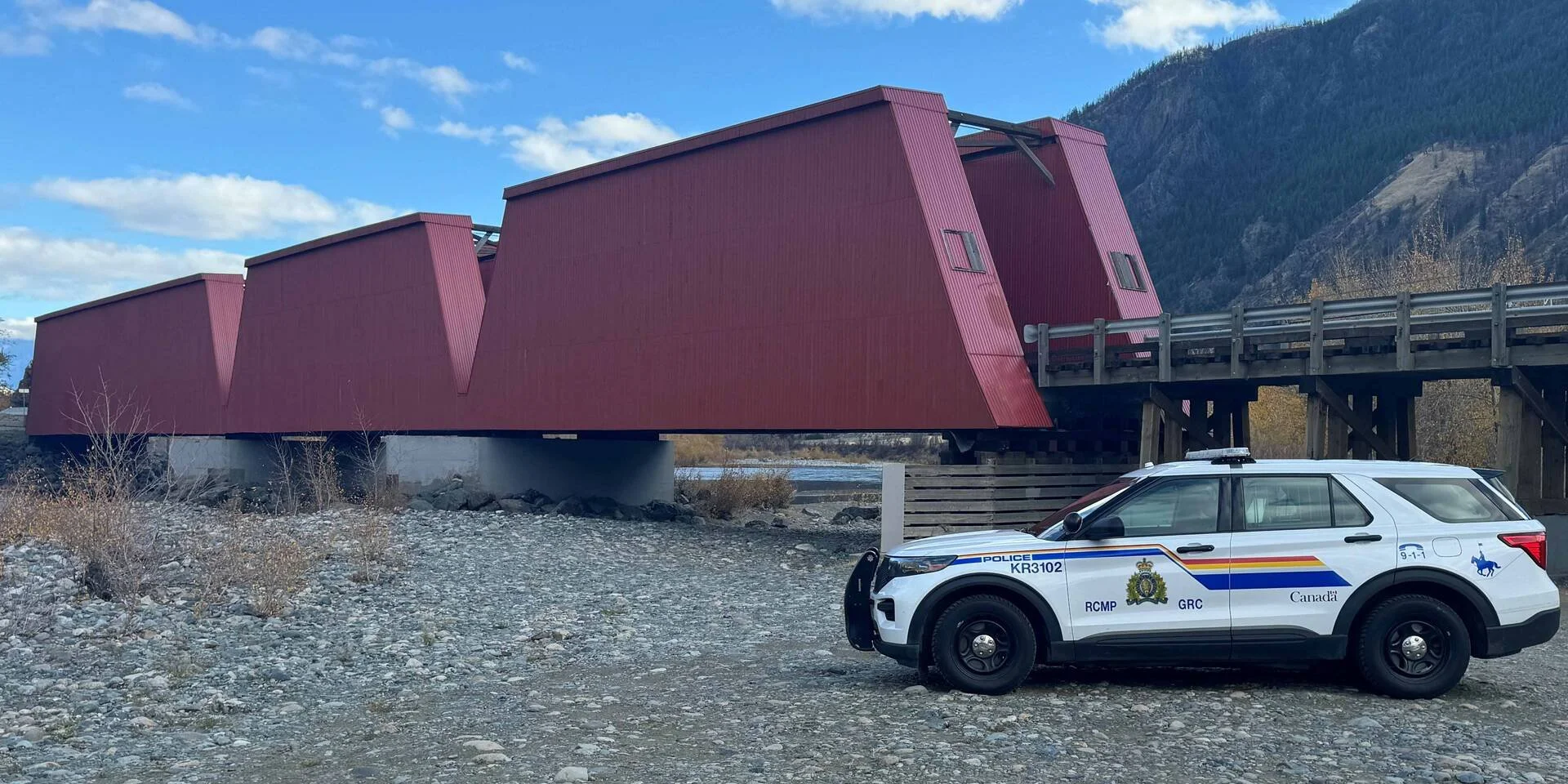

RCMP officers seized about $42,000 worth of illicit nicotine products from two businesses in Castlegar and Nelson during an investigation into the sale of contraband nicotine pouches.