RDOS doubles free radon test kits to 400, opens registration in five electoral areas
PENTICTON — The Regional District of Okanagan-Similkameen is offering 400 free residential radon test kits this fall, doubling the number available through its participation in a national testing program last year.
Registration is open to residents of five electoral areas: Area B (Cawston), Area D (Skaha East and Okanagan Falls), Area E (Naramata, Falconridge and Indian Rock), Area G (Olalla, rural Keremeos and Hedley) and Area I (Skaha West, Kaleden and Apex).
The 2026 program follows an earlier round in which 200 kits were made available to residents of electoral areas A, C, F and H, as well as the Town of Osoyoos and City of Penticton. The latest distribution extends the program to a different group of communities.
The initiative is part of the 100 Radon Test Kit Challenge, a national program funded by Health Canada and led by Take Action on Radon, with involvement from the Canadian Association of Radon Scientists and Technologists and the Canadian Cancer Society.
“The 100 Radon Test Kit Challenge is an opportunity for residents to learn more about an invisible health risk that can affect any home,” RDOS vice-chair Campbell Watt said in the regional district's October 5 announcement.
Radon is a naturally occurring radioactive gas produced by the breakdown of uranium in soil and rock. It has no colour, smell or taste and can enter buildings through openings in foundations, floors and walls.
Health Canada identifies radon as the leading cause of lung cancer among non-smokers in Canada. Exposure to elevated concentrations over time increases the risk of developing lung cancer, with the level of risk depending on both the concentration and the duration of exposure.
Radon concentrations can vary substantially between neighbouring homes. Health Canada recommends testing every home because the presence and concentration of radon cannot be reliably determined from a property's location or construction alone.
Residents can register for the free kits through the online form provided in the RDOS's October 5 information release. As of October 15, Take Action on Radon's national program website continued to list registration for the RDOS program as open. The number of kits still available has not been published.
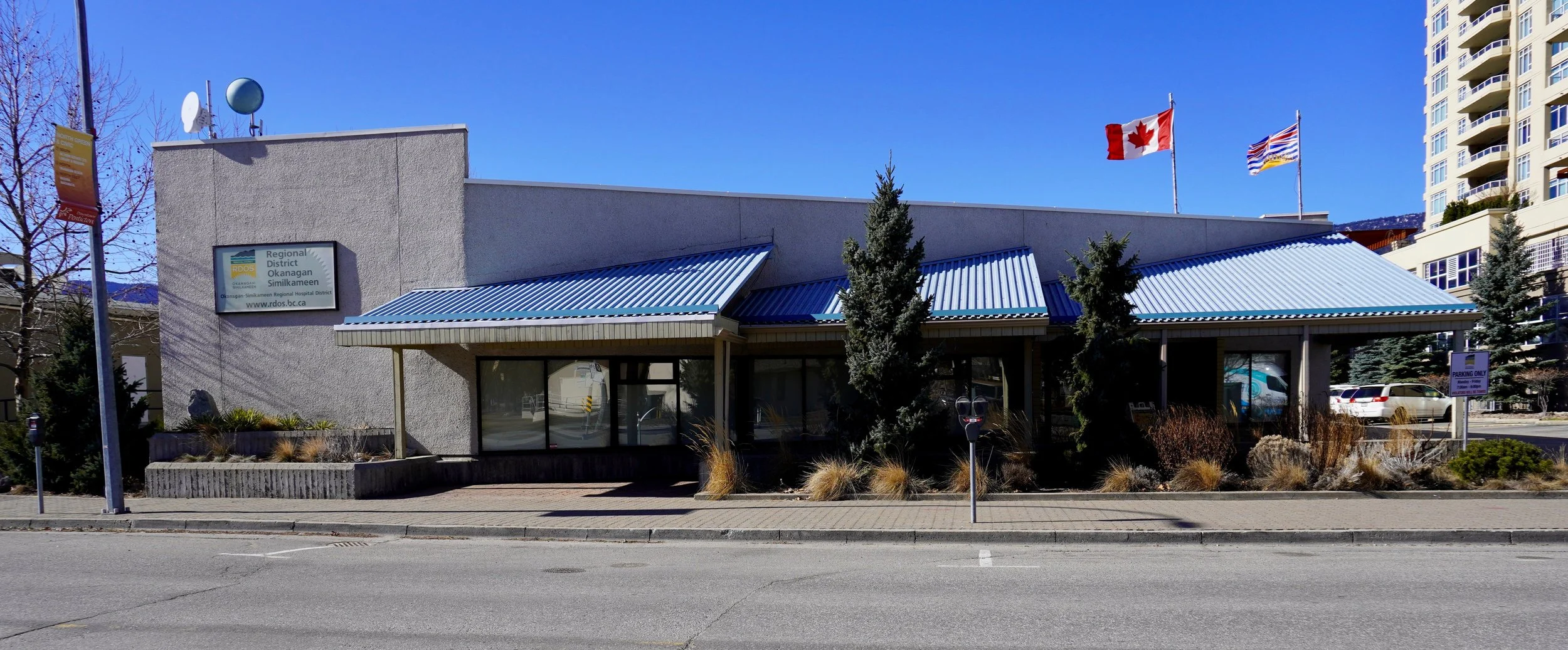
Participants can choose among three pickup and return locations: the RDOS Corporate Office at 101 Martin Street in Penticton, the RDOS Community Office at 1109 Willow Street in Okanagan Falls, and the Similkameen Recreation Centre at 311 9th Street in Keremeos.
Kits are scheduled for pickup from October 27 to 30, 2026, and must be returned during the collection period from February 16 to 19, 2027.
The testing schedule allows detectors to remain in homes for more than three months during the heating season. Health Canada recommends long-term radon testing for at least 91 days because indoor concentrations fluctuate and longer measurements provide a more reliable estimate of average exposure.
The federal guideline recommends corrective action when a home's average annual radon concentration exceeds 200 becquerels per cubic metre.
An online information session is scheduled for Monday, October 26, at 7 p.m. The session will cover radon exposure, health risks and participation in the testing program. Connection details are included in the RDOS announcement.
Residents seeking additional information can contact RDOS Communications at 250-490-4148 or Take Action on Radon at info@takeactiononradon.ca.



Nine new outdoor pickleball courts opened at Glenmore Recreation Park on Oct. 8, expanding public recreation facilities in north Kelowna as construction continues on other parts of the park.