Two arrested after stolen vehicle tries to evade police near Slocan Lake
A public tip led to a multi-detachment police response involving specialized RCMP units, including Air Services and police dogs.
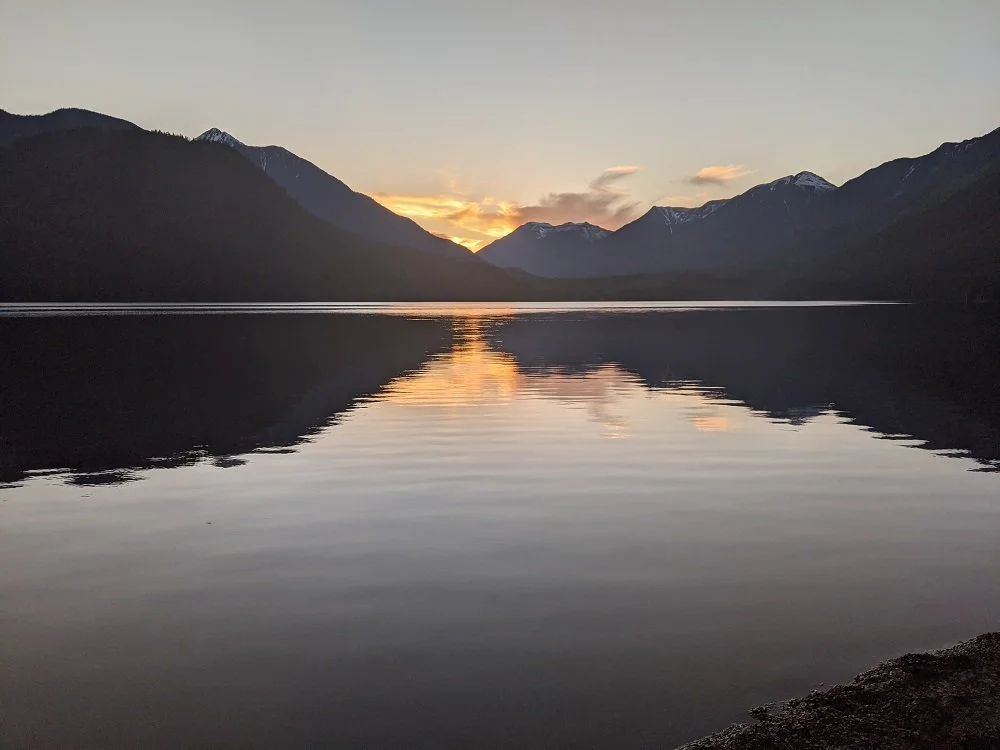
A view of Slocan Lake. RCMP arrested two people Aug. 20 after recovering a stolen vehicle in the Slocan Lake area.
File photo.
Two people were arrested and a stolen vehicle recovered Thursday after a police operation in the Slocan Lake area.
Slocan Lake RCMP received a report at about 3 p.m. Aug. 20 of a suspicious vehicle near the Mulvey Creek area. The person who contacted police believed the vehicle might be connected to recent property crimes and understood that police were looking for it.
Officers responded with assistance from Nakusp RCMP, Nelson RCMP, BC Highway Patrol, RCMP Air Services and Police Dog Services.
Police located the vehicle on a forest service road. RCMP said the vehicle attempted to evade officers but was safely stopped.
At about 6:40 p.m., two people inside the vehicle were taken into custody without further incident.
A man from Nakusp remained in custody Friday awaiting a bail hearing. RCMP did not provide further information about the second person.
RCMP said the vehicle was stolen, but has not said whether investigators have connected the vehicle or either person arrested to the recent property crimes that prompted the original tip.
“This successful outcome was the result of coordinated efforts between frontline officers and specialized RCMP resources,” Cpl. Brett Urano, a B.C. RCMP spokesperson, said in a news release.
“The quick response of officers helped bring this incident to a safe conclusion and recover a stolen vehicle.”
Slocan Lake RCMP thanked the public for assisting police and encouraged residents to continue reporting suspicious activity.



Rossland council will be asked Monday to support recreation staff in further investigating recommendations that include a City sponsorship framework, naming recognition, annual trail-maintenance funding and a more formal public review of major recreation capital projects.