Faulder water system still under do-not-consume order after Bald Range wildfire
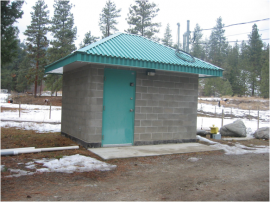
The Faulder pump house is part of the RDOS-operated water system, which remains under a do-not-consume order as recovery from the Bald Range wildfire continues.
Photo: Regional District of Okanagan-Similkameen
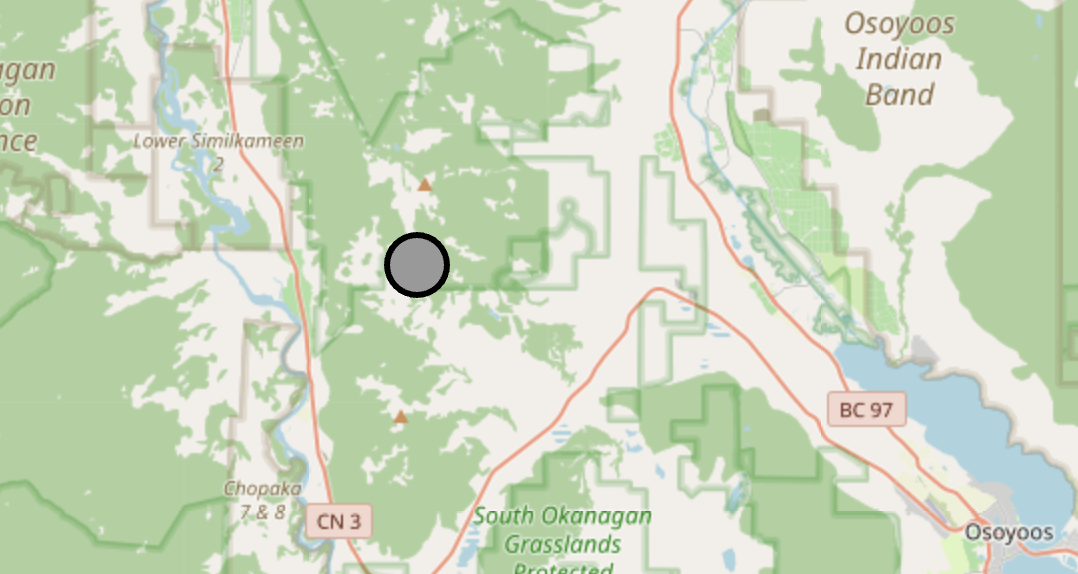
Recovery work continues in communities affected by the Bald Range wildfire, with crews working to restore the Faulder water system, plans being developed for disposal of burned debris and access restrictions remaining in parts of the area.
The Regional District of Okanagan-Similkameen issued a do-not-consume order for the Faulder water system on Sept. 10 in consultation with Interior Health.
The wildfire caused the reservoir to run dry and resulted in a loss of remote communications, while power lines, trees and telecommunications lines were severely affected. The community wells, pumphouse, treatment plant, generators and reservoir sustained minimal damage, according to the RDOS.

Power has been restored to the treatment plant and crews are repairing hydrants and sampling stations. The district says the distribution system will be flushed, underground infrastructure will be checked to confirm it is intact and the system will then be fully pressurized.
Water sampling is expected to begin 72 hours after full pressurization.
The RDOS and District of Summerland are also preparing plans for disposal of debris from buildings damaged or destroyed by the wildfire.
Residents have been asked not to take burned material to Campbell Mountain Landfill. The Summerland Landfill is expected to receive burned debris from both Summerland and RDOS Electoral Area F once the site is fully reopened, although no reopening date has been announced.
Access restrictions remain in place for designated properties in Faulder, South Meadow Valley and along Callan Road. Access is limited to authorized property owners and people with valid permits.
Princeton-Summerland Road also remains closed to through traffic, with Highway 5A and Highway 3 being used as alternate routes.
Residents who cannot return home because their primary residence was lost remain eligible for Emergency Support Services.
Earlier this month, the RDOS board approved temporary measures intended to help residents rebuild in Electoral Area F. Bylaw enforcement related to the placement of up to two recreational vehicles on eligible properties can be suspended for up to five years, or until a replacement home receives full occupancy.
Building and demolition permit fees are also being reduced by 50 per cent for eligible fire-affected properties for up to five years.
Recovery assistance remains available at Giant’s Head School in Summerland. The centre is open from 10 a.m. to 5 p.m. Tuesday through Friday and from 10 a.m. to 1 p.m. Saturday, although the District of Summerland advises residents to confirm hours before visiting.
The RDOS also says Bald Range recovery updates will now be shared through Regional Matters, a weekly livestream that began Friday, Sept. 11. The program will also carry information about regional projects, initiatives and events.
A new cleanup resource was also added Friday. Christian Aid Ministries Canada is offering free wildfire home-cleanup assistance to affected individuals and families, according to the RDOS.
Further updates on the Faulder water system, debris disposal and other recovery work are expected as the response continues.

Recovery work continues in communities affected by the Bald Range wildfire, with crews working to restore the Faulder water system, plans being developed for disposal of burned debris and access restrictions remaining in parts of the area.