Christina Lake earns Bat Friendly Community certification
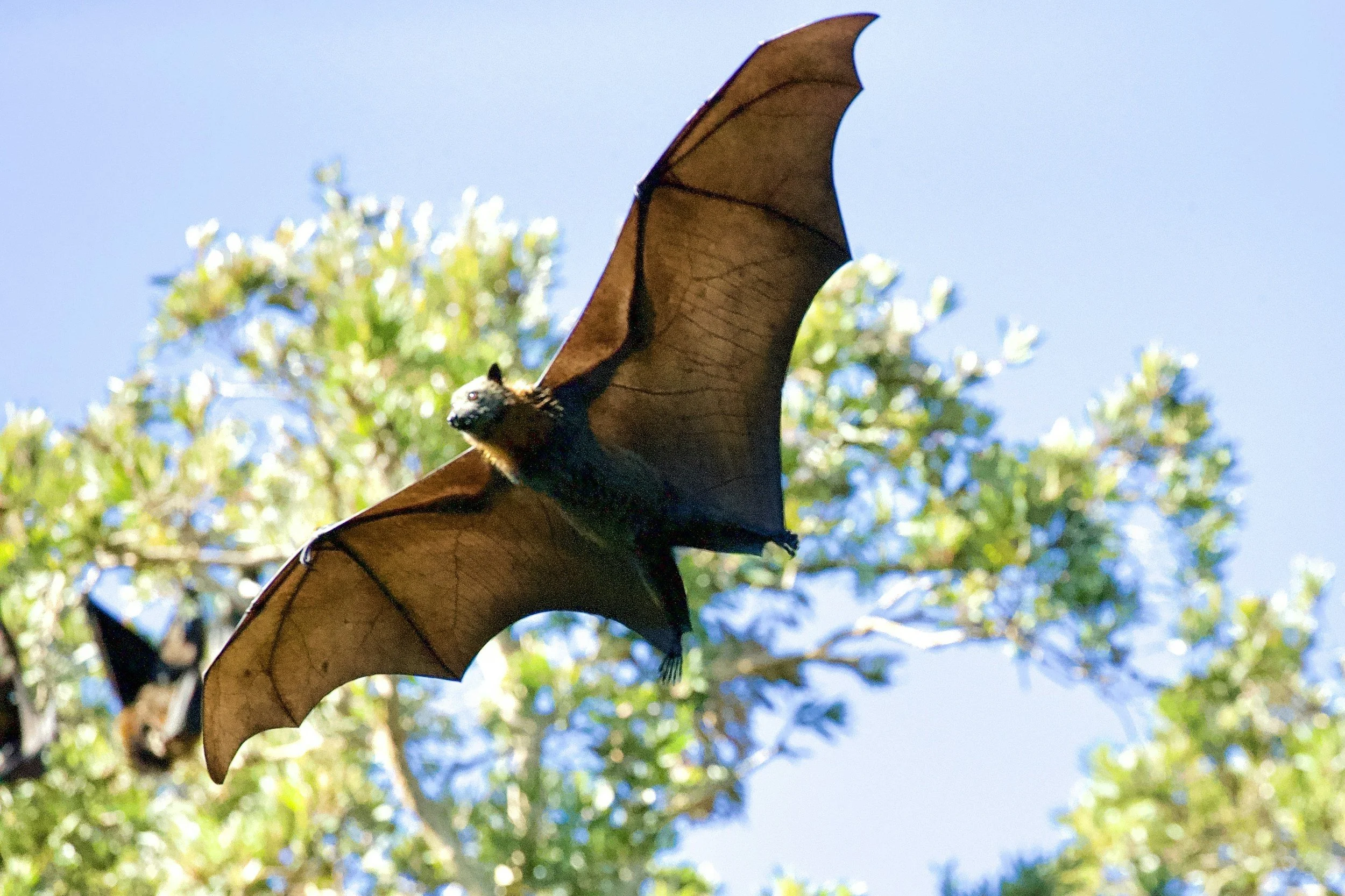
CHRISTINA LAKE — Christina Lake has been recognized as a Bat Friendly Community following two years of habitat work, public education and wildlife monitoring led by the Christina Lake Stewardship Society.
The certification was announced in July. Christina Lake is one of 11 British Columbia communities that had received the designation as of July 21.
The stewardship society has installed and monitored bat boxes, organized a community bat-box building workshop and provided information about bats through local schools, community events and other outreach activities.
The organization has also supported provincial monitoring by submitting dead bats found during winter for white-nose syndrome testing. It has encouraged residents to learn about bats, avoid disturbing roosting sites and participate in local conservation work.
Bat Friendly Community certification recognizes work in three main areas: protecting or creating bat habitat, making reliable information available to residents and promoting public education. Bats depend on access to food, water and suitable places to roost.
The Christina Lake designation comes as provincial wildlife officials continue monitoring for white-nose syndrome in British Columbia.
The fungus that causes the disease was first detected in B.C. in a bat-guano sample collected in the Grand Forks area in 2022. A second detection was confirmed in a sample from Metro Vancouver in March 2026.
As of the province’s March announcement, the fungus had been detected in B.C., but no bats in the province had been confirmed to have white-nose syndrome.
White-nose syndrome disrupts bats during hibernation. Infected bats wake more frequently and use energy reserves they need to survive the winter, which can lead to starvation and death.
The disease has caused major bat-population declines east of the Rocky Mountains. It also contributed to the federal listing of the little brown myotis, northern myotis and tri-coloured bat as endangered under the Species at Risk Act.
The fungus does not infect people, but people can carry its spores on contaminated clothing and equipment. There is currently no cure or treatment for white-nose syndrome in wild bats.
Bats play an important ecological role by eating insects, including pests that affect crops and forests. All bat species in B.C. are protected from being killed or harassed under the provincial Wildlife Act.
Residents can support bats by retaining mature trees and safe wildlife snags, planting native vegetation, reducing pesticide use and limiting unnecessary outdoor lighting. Lights can be aimed downward or placed on motion sensors to preserve dark areas where bats feed.
Anyone with a bat colony in a house, barn or other building should seek advice before attempting to block or remove it. Bats should not be excluded during the summer maternity season because young bats may not yet be able to fly.
People should never handle a bat with bare hands. Anyone who has direct or suspected contact with a bat should seek medical attention. Residents can also report bat roosts, dead bats or unusual winter activity to the BC Community Bat Program.
The Bat Friendly Community program is also expanding nationally. The Canadian Wildlife Federation is developing a Canadian certification program with the BC Community Bat Program and Wildlife Conservation Society Canada’s Alberta Community Bat Program.
Christina Lake and the other certified B.C. communities will be grandfathered into the national program.



Grizzly Discoveries Inc. is seeking to raise up to $2 million as the company continues fall exploration across its Greenwood-area properties and prepares for drilling planned between October and December.