Castlegar tests new measures to tackle recurring algae at Millennium Park ponds
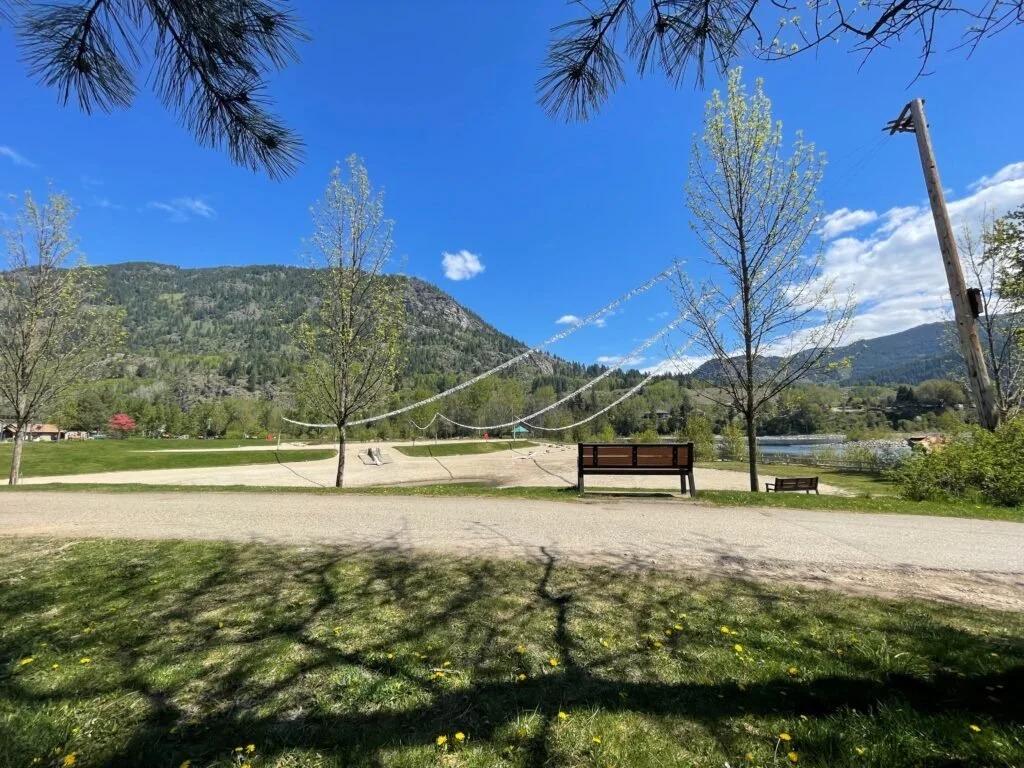
Millennium Park & Ponds in Castlegar, where the city has increased monitoring and water circulation while testing measures to reduce recurring algae growth. Photo: City of Castlegar.
Photo: City of Castlegar
CASTLEGAR — The City of Castlegar is testing changes at its Millennium Park swimming ponds this summer as the city works to better understand and address recurring algae blooms at the popular recreation area.
Staff told council July 13 that changes implemented for the 2026 season include increased water circulation and water-quality monitoring, the temporary closure of Pond 1 and measures intended to reduce Canada goose activity. Monitoring and data collection will continue through the season, with findings and recommendations expected to return to council following a year-end review. The city published highlights from the meeting Aug. 6.
The work follows several years of efforts to manage algae at the natural swimming ponds.
In April, the city announced that the upper pond, the shallowest of the three, would be taken out of service for the 2026 season because its depth makes it more conducive to algae growth. The closure is intended to allow staff to focus on operational adjustments in the remaining ponds and assess their effectiveness over the summer.
The city also reintroduced measures aimed at discouraging resident Canada geese. Flagging has been installed above the ponds to act as a visual obstacle for waterfowl, while a dog-handling team is being used to discourage geese from settling in the park. The city says the measures are intended to reduce the birds' impact on sports fields and pond water quality.
Castlegar began formally examining the algae problem in 2024.
In its 2025–2029 Financial Plan, the city said the ponds had periodically been closed during the previous several years to address algae growth during periods of warm temperatures and low water turnover. An assessment launched in 2024 was intended to determine how the city could better control algae while keeping the ponds available to the public.
That assessment produced a proposed phased approach to algae control. The first phase called for increased operational efforts, including manual algae removal and a pond skimmer. Possible later phases included circulation improvements, aerators for Ponds 2 and 3 and, if earlier measures were unsuccessful, conversion to a regeneration pond. The plan said each phase was to be evaluated before the next was pursued.
The most expensive option identified in that earlier plan was a potential $1.5-million regeneration pond conversion. It was listed as a possible future phase, not as a project the city had committed to build.
The city is also continuing to test the ponds' water quality.
In its April update, Castlegar said water quality would be tested weekly during the operating season. The city also said visitors may see naturally occurring algae in the ponds and that, while it may affect their appearance, the algae does not indicate poor water quality and is not harmful to people.
The latest water-quality results posted by the city are dated Aug. 4. The city analyzed water from two of the three ponds and reported 25 colony-forming units of E. coli per 100 millilitres in Pond 2 and 34 CFU/100 mL in Pond 3. The outflow measured 49 CFU/100 mL.
All three reported readings were below the 235 E. coli per 100 mL individual-test limit identified by the city as the limit set by Interior Health.
As of Aug. 8, the Aug. 4 report is the newest water-quality report listed on the city's Millennium Park page.
The city now plans to continue monitoring conditions through the remainder of the season before reviewing the results and bringing recommendations back to council.





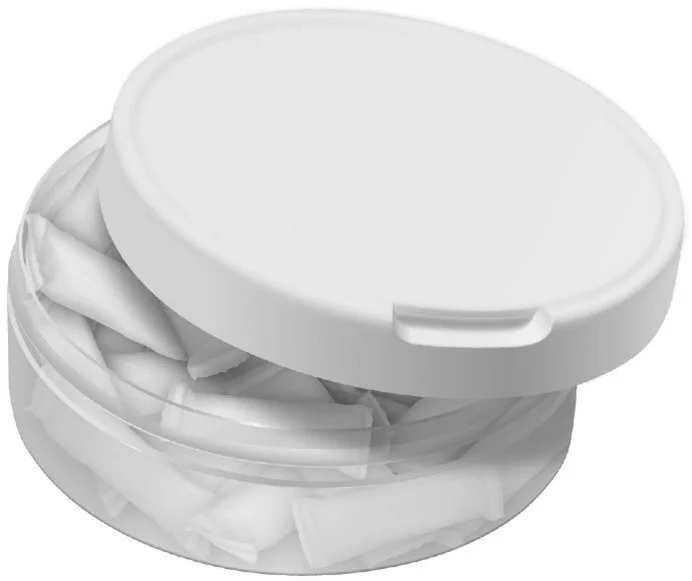




RCMP officers seized about $42,000 worth of illicit nicotine products from two businesses in Castlegar and Nelson during an investigation into the sale of contraband nicotine pouches.