Castlegar arena project could be substantially complete by September 2029
Three design-build teams face a Sept. 9 deadline as the RDCK works toward a February referendum on a proposed second ice surface and indoor walking track.
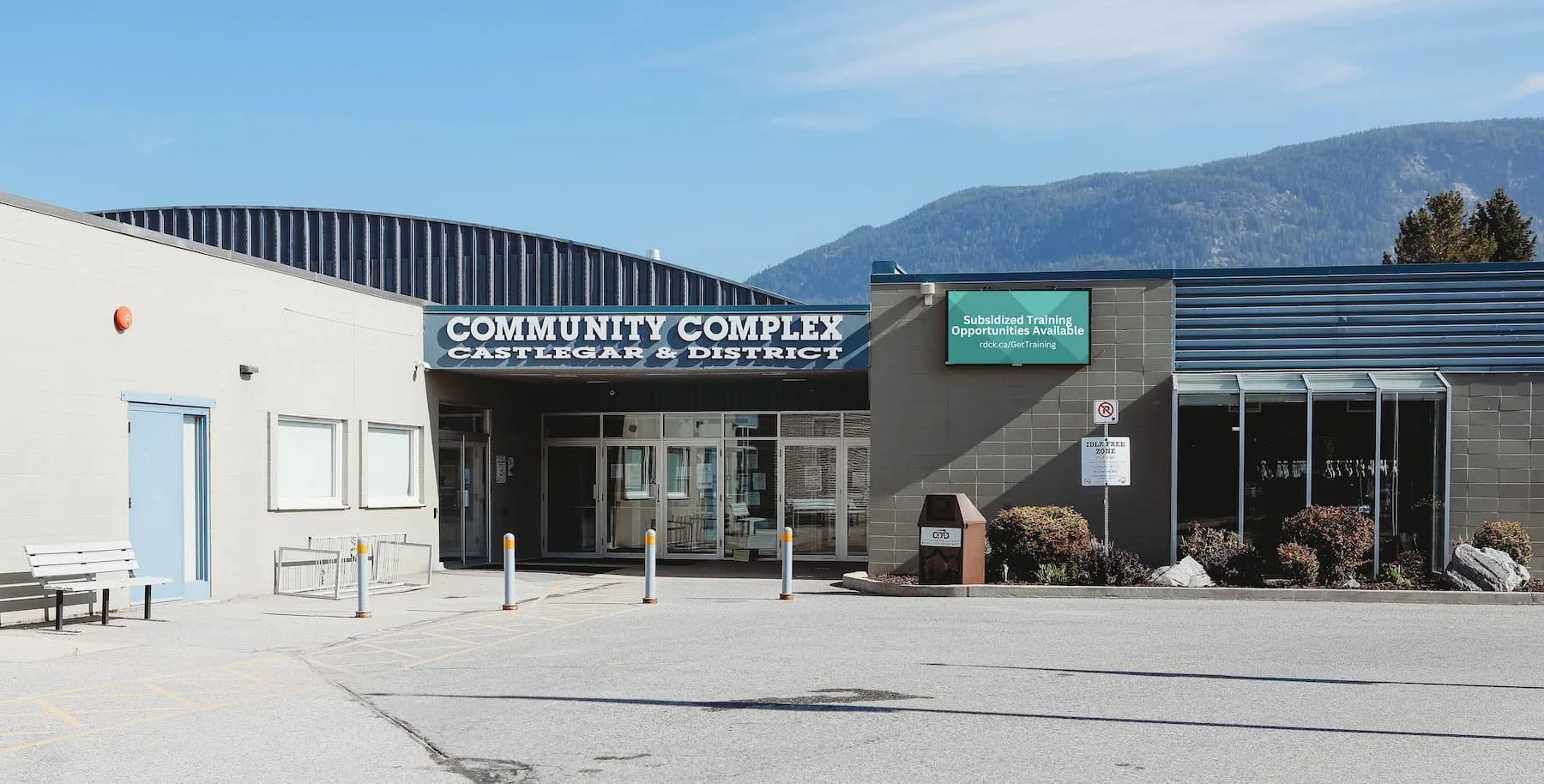
The Castlegar & District Community Complex, where the RDCK is advancing plans for a second indoor arena and overhead walking track. The proposed addition could reach substantial completion by September 2029 if voters approve the project in February.
Photo credit: City of Castlegar
CASTLEGAR — A proposed second arena and indoor walking track at the Castlegar & District Community Complex could reach substantial completion by September 2029 if voters approve the project next year, according to an updated Regional District of Central Kootenay timeline.
The schedule is included in a staff report going before the Castlegar & District Recreation Commission on Sept. 1. It follows the Aug. 20 launch of a negotiated request for proposals that asks three shortlisted design-build teams to demonstrate whether the facility can be delivered within a $15-million construction budget.

Scott Builders Inc., Smith Bros. & Wilson (Construction) Ltd. and Kalesnikoff Mass Timber Inc. have been invited to participate. The teams attended a virtual information meeting Aug. 24 and have until Sept. 9 to sign participation agreements indicating they intend to submit proposals, with final submissions due Nov. 4.
The proposed addition would include an NHL-size secondary ice surface and overhead indoor walking track integrated with the existing community complex, while the procurement process is intended to test whether that facility can be delivered within a construction budget well below earlier professional estimates.
A 2025 feasibility study by HCMA Architecture + Design estimated that an arena incorporating a second ice sheet, indoor walking track and a high degree of wood construction could cost between $19 million and $29 million. RDCK staff later described the gap between that estimate and the $15-million funding threshold as the central challenge facing the procurement.
The district chose a design-build process to test whether the market can deliver the facility within the $15-million budget through competitive design and construction proposals.
That $15 million is not yet an approved borrowing amount. Residents of the City of Castlegar and Electoral Area J must first approve establishment of the proposed service and the borrowing needed to finance the project through a referendum scheduled for Feb. 6, 2027.
The construction budget also does not include every anticipated cost associated with the project. In June, the RDCK board approved adding another $2.509 million in taxation funding to the draft financial plan for costs outside the $15-million design-build budget, including a building permit, relocation of a watermain and hydrant and a 10-per-cent contingency.
The district said keeping those expenses outside the design-build budget was intended to improve the likelihood of attracting qualified proponents and receiving a proposal that meets the project requirements.
Under the funding approach presented in June, the taxation impact would be phased in over the first three years of the new service if voters approve it. The RDCK estimated the annual cost at about $168 for an average residential property, although that is not a final tax figure because the project does not yet have a final design, cost estimate or approved borrowing amount.
The project will also move forward without $7 million in grant funding the district had sought through the Strategic Priorities Fund. The RDCK applied in September 2025 and says it was informed in July 2026 that the application was unsuccessful. Grant funding would have reduced the amount needed through long-term borrowing, but the district says the project is continuing under its current financial plan.
The Sept. 1 staff report sets out a detailed schedule for what would happen over the coming months. After proposals close Nov. 4, the RDCK expects to evaluate them through Nov. 16 and take a preferred proponent to the board for approval Nov. 19, followed by negotiations toward possible board approval of a conditional contract Dec. 17.
Preliminary public engagement is expected to begin in December, with formal engagement scheduled from Jan. 4 through Feb. 5. The district says that process will include public meetings and other opportunities for residents to review project and financial information before voting.
The referendum is scheduled for Feb. 6, with results expected to be declared Feb. 8 and considered by the RDCK board Feb. 18. If voters support the project and the remaining approvals are secured, the district is targeting March 15 for a notice to proceed.
Construction is currently anticipated to begin in summer or fall 2027 following a favourable referendum result, with substantial completion targeted for September 2029.
Several steps could still change that schedule. RDCK staff identify three principal risks in the Sept. 1 report: none of the shortlisted proponents could sign a participation agreement, the district could receive no acceptable proposal, or voters could reject the project.
The referendum was previously planned for Nov. 28, 2026, but was moved to February after additional planning work required more time. Staff say they do not currently expect the delay to materially affect the anticipated project delivery schedule if the referendum is successful.




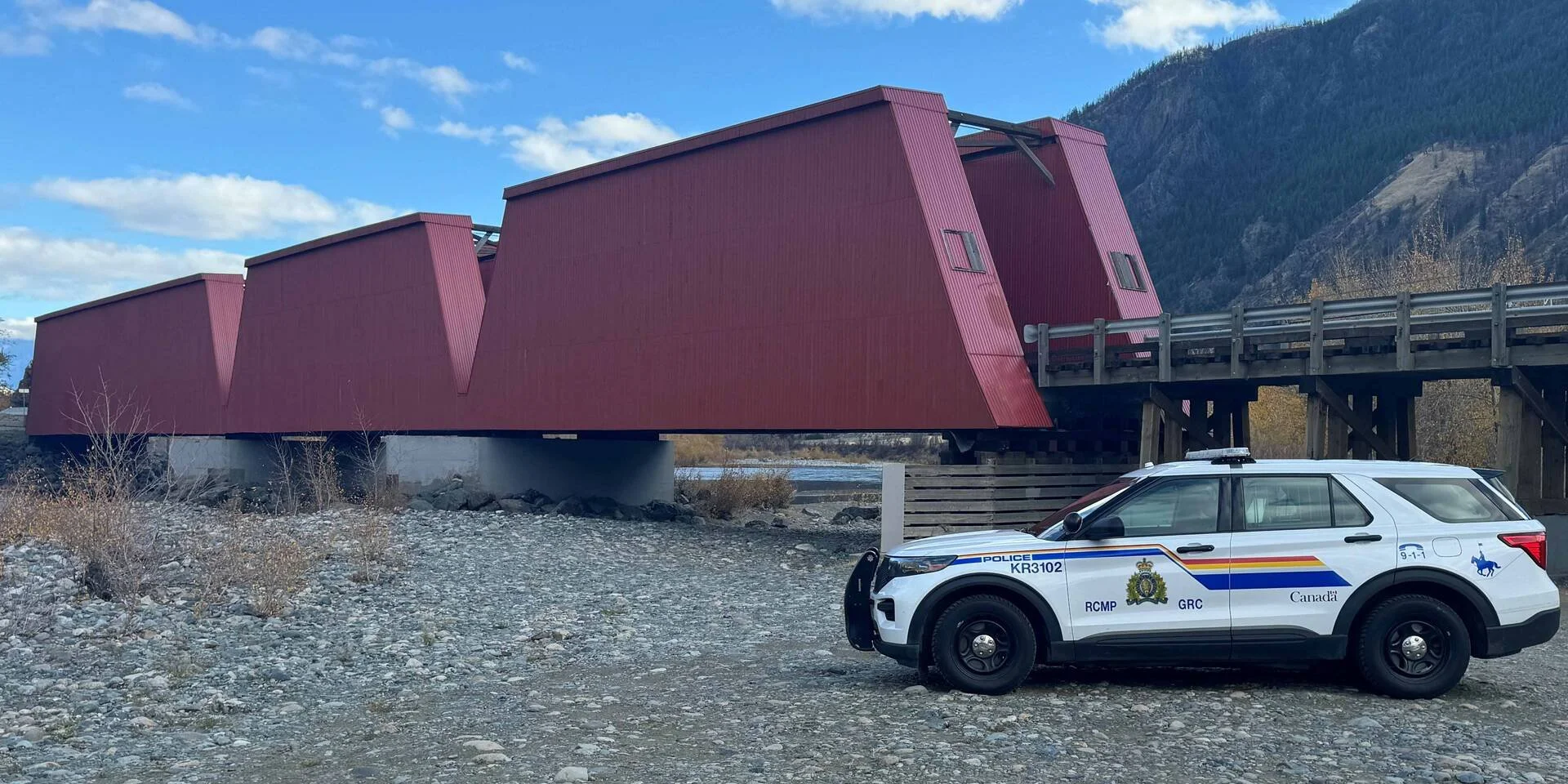

RCMP officers seized about $42,000 worth of illicit nicotine products from two businesses in Castlegar and Nelson during an investigation into the sale of contraband nicotine pouches.