Boundary Vital Signs report planned for 2027 as Phoenix Foundation seeks regional support
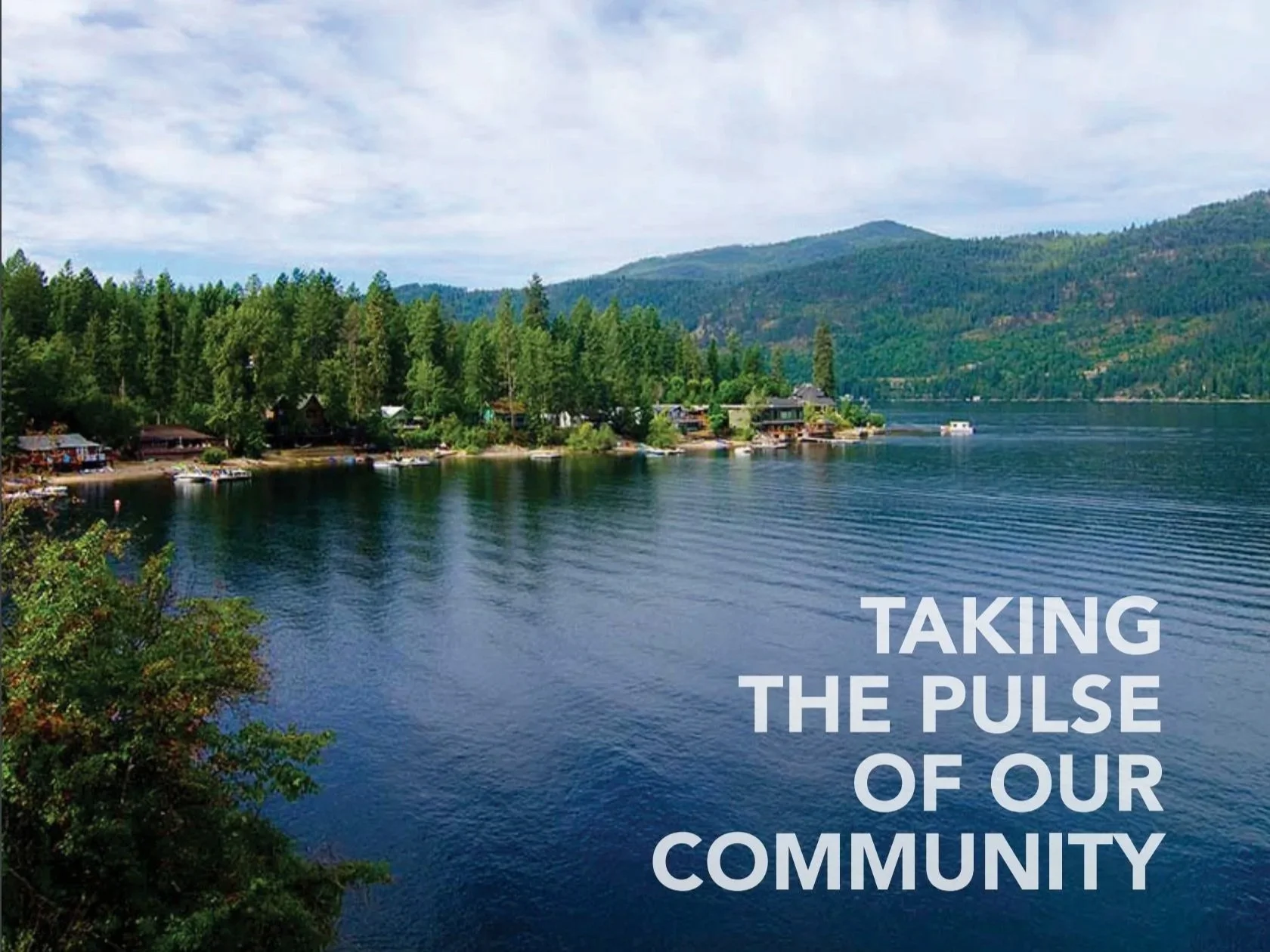
The Phoenix Foundation’s 2019 Boundary Communities Vital Signs report. The foundation is now preparing a new Vital Signs report for 2027, with local governments and other regional partners being asked to help fund the work.
Photo: Phoenix Foundation
The Phoenix Foundation of the Boundary Communities is preparing a new Vital Signs report for 2027, the region’s first since 2019, and is seeking financial support from local governments and other organizations across the Boundary.
The Regional District of Kootenay Boundary board was asked Sept. 9 to provide $2,000 each from Electoral Areas C, D and E toward the project, for a combined contribution of $6,000. The board’s final decision on those grants has not yet been confirmed in adopted minutes.
Phoenix is also seeking $2,000 from the City of Grand Forks and $1,000 each from Greenwood and Midway, bringing its total request from Boundary local governments to $10,000.
The RDKB had already expressed support for the project at its Aug. 26 meeting, when directors unanimously agreed to send Phoenix a letter supporting the 2027 Vital Signs initiative.

According to information Phoenix provided to the RDKB, the new report will examine health, housing, income, learning, community belonging, the environment, food security, transportation and safety. A community survey is scheduled to open in fall 2026.
The completed report is expected to be delivered to the Phoenix Foundation in March 2027, followed by a public launch in April or May. Phoenix also plans to update the report later in 2027 as data from the 2026 census becomes available.
The report will be the fourth Boundary Vital Signs study, following editions in 2009, 2014 and 2019.
The 2019 report drew responses from 452 residents and examined nine areas: belonging, quality of life and leadership; health and wellness; environment; work and earning; housing; learning and education; emergency planning and safety; food security; and transportation.
Phoenix has used previous Vital Signs findings in its own grant-making and continues to ask grant applicants whether proposed projects respond to issues identified through Vital Signs or other community consultation.
For the 2027 project, Phoenix says researchers will draw on sources including Statistics Canada, BC Stats, BC Assessment and the BC Data Catalogue. The foundation also plans to use indicators that allow comparisons with Statistics Canada’s Quality of Life Framework.
Roly Russell, through the Sandhill Institute for Complexity and Sustainability, has been contracted to coordinate the project for Phoenix. The methodology is also expected to be reviewed before publication by three independent reviewers drawn from post-secondary education, local government and the community sector.
Phoenix has committed base funding to the project and is seeking regional matching contributions in the range of $20,000 across all partners. The project briefing does not disclose the foundation’s own contribution or the full project budget.
Other organizations being approached include Columbia Basin Trust, Beem Credit Union, StellarVista Credit Union, School District 51, Selkirk College and the Columbia Basin Rural Development Institute, Interior Health and Interfor. The briefing does not identify confirmed contributions from those prospective partners.
Phoenix says additional funding would allow for deeper analysis, policy briefings tailored to regional needs and development of a digital data resource that could be updated between formal Vital Signs reports.
In its briefing to the RDKB, Phoenix said much has changed since the 2019 report, pointing to recovery from the 2018 flood, changes in the forestry sector, the COVID-19 pandemic, demographic shifts, housing affordability and the rising cost of living.
The foundation says the updated information could be used by community organizations, local governments and other agencies for grant applications, planning, economic development and advocacy to senior governments.
The Sept. 9 RDKB agenda recommended approval of the three $2,000 electoral-area contributions. The Boundary Sentinel will update the story once the board’s final decision is confirmed in an official record.
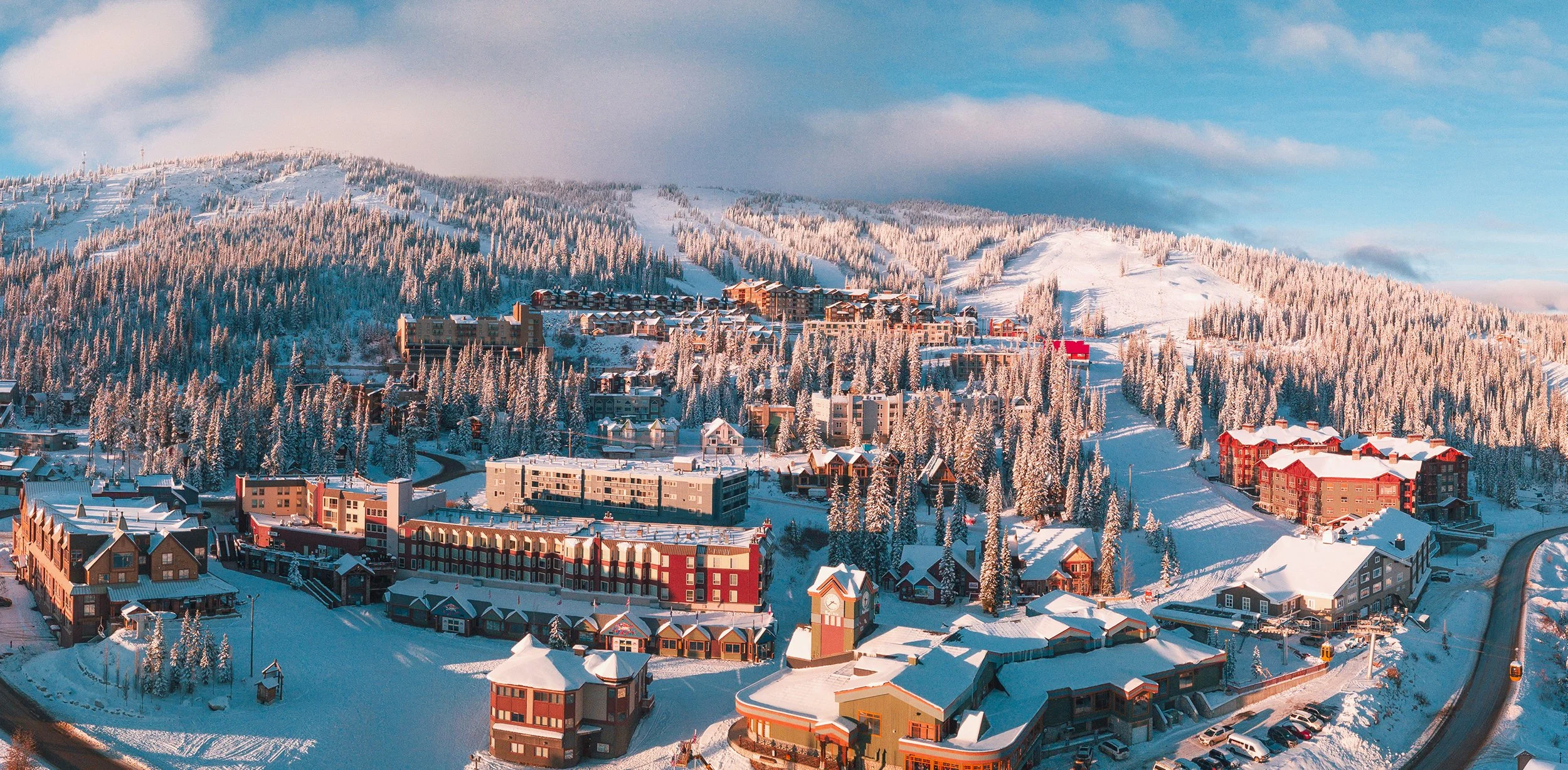

A Big White developer asked the Regional District of Kootenay Boundary to reconsider the denial of a variance for a Feathertop Way home after the regional district acknowledged the zoning problem had been missed during its own reviews of the project.