RDCK proposes new enforcement tool for unauthorized riparian work in Area G
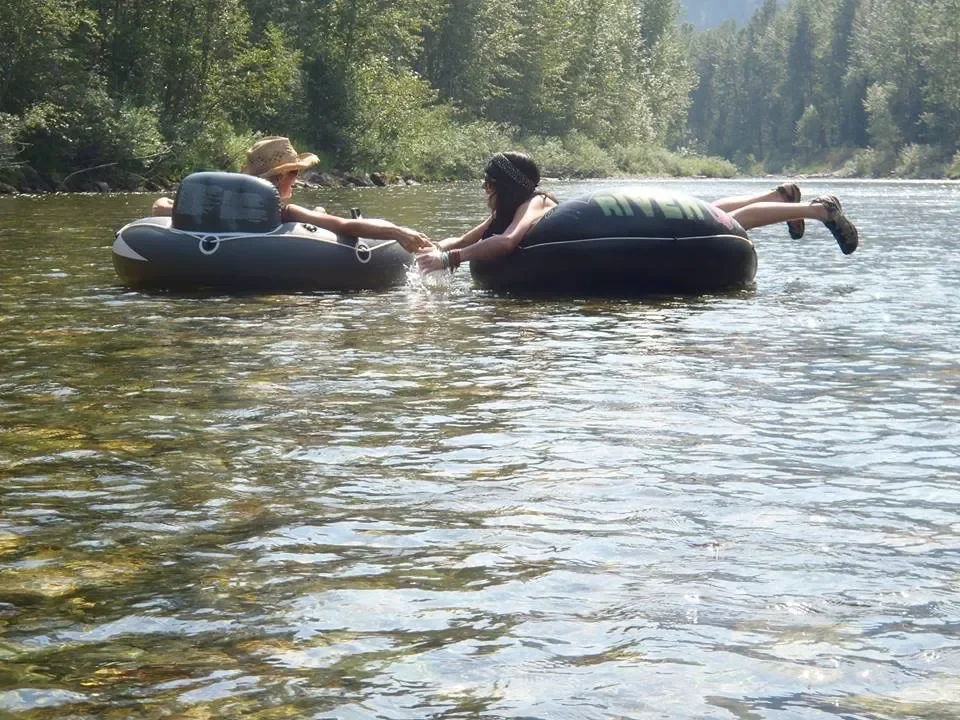
The Salmo River is one of the waterways covered by Electoral Area G’s Watercourse Development Permit Area.
Photo credit: Village of Salmo
SALMO — Property owners who carry out unauthorized development near streams, lakes and wetlands in Electoral Area G could face a new layer of enforcement under proposed Regional District of Central Kootenay changes intended to put more of the cost of dealing with violations on the responsible property owner.
The RDCK is proposing amendments to its Area G land-use rules that would allow Watercourse Development Permit Area contraventions to be dealt with through bylaw enforcement notices or ticketing, giving staff another option before pursuing an injunction through B.C. Supreme Court.
The RDCK scheduled a public hearing on the changes for 6 to 8 p.m. Thursday, Oct. 1, at the Salmo Valley Youth & Community Centre, with remote participation available by Zoom.
Area G has had a Watercourse Development Permit Area since 2018. It regulates specified development and land alteration close to watercourses, lakes and wetlands, with the aim of protecting riparian habitat.
RDCK staff say the existing enforcement process relies first on voluntary compliance. That can include correspondence, site visits and requiring a property owner to apply for an after-the-fact development permit and complete remediation. If that does not resolve a serious violation, the regional district can seek an injunction in B.C. Supreme Court.
Staff told the board that unauthorized work in environmental development permit areas accounts for nearly all of the RDCK’s development-permit enforcement issues. Cases involving unauthorized land alteration can take two to five years to move through compliance and remediation, according to the staff report.
The proposed amendments would create an intermediate enforcement option by allowing Watercourse Development Permit Area violations to be addressed through the RDCK’s bylaw notice or ticketing system. The draft also states that each day a contravention continues can constitute a separate offence, allowing enforcement to continue while a violation remains unresolved.
The exact amount of a future Watercourse DPA ticket is not identified in the public material reviewed by the Sentinel. The RDCK’s existing bylaw enforcement notice schedules would have to designate the applicable contravention and penalty before a specific ticket amount could be imposed.
A separate provision in the proposed Area G land-use bylaw would allow a person convicted of an offence to face a fine of between $5,000 and $10,000, with each day a continuing offence exists treated as a separate offence. Those amounts apply to convictions and should not be confused with the amount of a bylaw enforcement notice.
Cost recovery is one of the reasons staff have given for the changes.
A standard development permit application costs $500. Where an application results from enforcement action, an additional $2,000 enforcement surcharge applies, bringing the total to $2,500.
Staff say that can represent only a small portion of the regional district’s costs in prolonged enforcement files, particularly when legal action is required. Adding bylaw notices is intended to recover a greater share of those costs from the property owner responsible for the unauthorized work rather than leaving them with taxpayers generally.
The public staff material does not provide a total figure for taxpayer spending on Area G Watercourse DPA enforcement or a count of individual Area G violations.
Some costs associated with unauthorized work can already fall on a property owner. Under the existing Area G bylaw, an applicant can be required to hire a qualified environmental professional to prepare mitigation or restoration measures after a violation, and structures built contrary to the Watercourse DPA provisions may be subject to removal at the applicant’s expense.
The proposed amendments would also make the enforcement requirements more explicit. Owners would be responsible for obtaining required permits before beginning work, and unauthorized disturbance could trigger a new permit application and an assessment by a qualified environmental professional. Post-development reporting could also be required unless a permit says otherwise.
The changes would not expand the geographic reach of the existing Watercourse Development Permit Area.
In Area G, the permit area includes land within 30 metres of the high-water mark of the Pend d’Oreille River, Salmo River, Erie Lake, Rosebud Creek and Rosebud Lake, as well as land within 30 metres of Erie, Hall, Kelly, Quartz and Ymir creeks. Other mapped watercourses, lakes and wetlands generally have a 15-metre permit area.
Within those areas, a development permit is generally required before subdivision, construction or alteration of buildings and structures, or land alteration, unless an exemption applies.
Existing exemptions include some agricultural activities, work contained within the existing footprint of a building, certain authorized water-related works, qualifying accessory buildings of 10 square metres or less, emergency work and some yard or gardening activity outside the five-metre setback from the high-water mark.
The regional district says the amendments are intended to clarify existing requirements and improve enforcement rather than establish a new environmental protection regime.
The RDCK Board gave Amendment Bylaw 3025 first and second readings July 16 and referred it to a public hearing. The July 16 date differs from the July 15 Rural Affairs Committee meeting where the proposal was considered before reaching the full board.
The board is expected to consider third reading and possible adoption on Oct. 22. Under B.C.’s Local Government Act, a regional district bylaw that does not require another approval, consent or assent may be adopted at the same meeting as third reading if the adoption motion receives at least two-thirds of the votes cast.
The Oct. 22 outcome has not been decided, and Bylaw 3025 has not been adopted.




Property owners who carry out unauthorized development near streams, lakes and wetlands in Electoral Area G could face a new layer of enforcement under proposed Regional District of Central Kootenay changes intended to put more of the cost of dealing with violations on the responsible property owner.