Province promises measurable outcomes as Kootenay Lake forest plan takes shape
Ministry says some areas rely on younger forests aging into old-forest conditions to meet targets as public consultation enters its final day
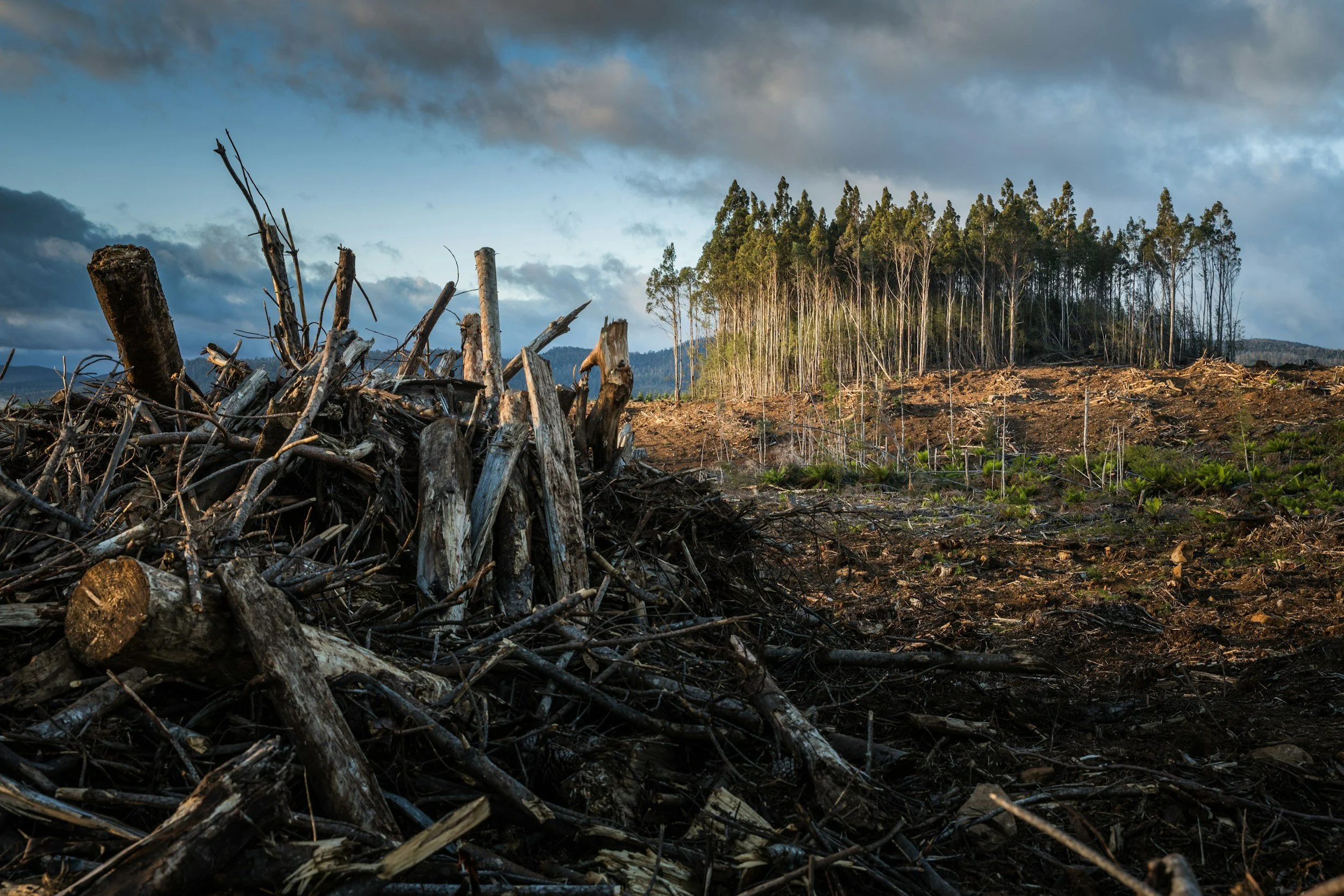
A harvested forest landscape. The province is developing a new Forest Landscape Plan for the Kootenay Lake Timber Supply Area.
File photo
NELSON — The B.C. government says a new plan for managing forests across the Kootenay Lake region will include clear, measurable outcomes for old forests, biodiversity, wildlife habitat and watersheds, while acknowledging that some parts of the landscape rely on younger forests aging into old-forest conditions to meet existing targets.
The acknowledgement comes as the province develops the Kootenay Lake Forest Landscape Plan, now in an early planning stage, amid concerns raised by Save What’s Left Conservation Society about whether existing old-forest protections are sufficient and how specific the eventual landscape plan will be.
The current public survey closes Saturday, Aug. 22 at 4 p.m. Pacific time.
The planning area covers approximately 1.2 million hectares in southeastern B.C. and includes Nelson, Creston, Kaslo and surrounding areas. The Kootenay Lake Timber Supply Area currently has an allowable annual cut of 550,000 cubic metres.
B.C. has 15 forest landscape planning tables at various stages of development, representing 42 per cent of the area the province ultimately intends to cover with Forest Landscape Plans.
The Kootenay Lake process is being developed in partnership with yaqan nuʔkiy, Shuswap Band, Adams Lake Band, Skwlāx te Secwepemcúl̓ecw and Ktunaxa Nation Council Society. Engagement with other First Nations in the area is continuing, while forest licensees, communities, subject-matter experts and members of the public are also being consulted.
Some old-forest targets rely on recruitment
One of the central questions is the current condition of old forests within the Kootenay Lake Timber Supply Area.
The area contains approximately 264,000 hectares of Old Growth Management Areas, or OGMAs, according to the Ministry of Forests.
An OGMA is an area managed to maintain or eventually develop old-forest characteristics. That means the total area within OGMAs should not be interpreted as 264,000 hectares of forest that is currently old. Depending on the management approach and the condition of the landscape, younger stands can be retained so they develop old-forest characteristics over time.
That distinction matters in Kootenay Lake.
“Due to the legacy of large wildfires in the late 1800s and early 1900s, there are some landscape unit/ecosystem types that rely on recruitment of older forest to meet the target,” the ministry said.
Recruitment is used when there is insufficient existing old forest to satisfy an old-forest target. Younger forest is retained and allowed to age so it can contribute to the old-forest requirement in the future.
The ministry did not identify which Kootenay Lake landscape units or ecosystem types currently rely on recruitment, nor did it provide a breakdown showing how much existing old forest is available compared with the applicable targets in each area.
The province is reviewing old-growth management in the Kootenay Lake TSA, including the use of updated ecological mapping. The ministry says that work will help inform future old-growth management.
There are also approximately 55,000 hectares of at-risk old-growth deferral areas in the Kootenay Lake TSA. Those areas are being deferred from logging while longer-term decisions about old-growth management are developed in partnership with First Nations.
Old forest already affects the timber supply
Old-growth management already affects how much timber can be harvested from the Kootenay Lake TSA.
In June 2024, the province reduced the allowable annual cut by 13.4 per cent, from 635,000 cubic metres to 550,000 cubic metres a year.
The determination established separate limits for old and non-old forest. A maximum of 25,300 cubic metres a year — 4.6 per cent of the overall allowable annual cut — can be harvested from old forest stands. A maximum of 524,700 cubic metres, or 95.4 per cent, can come from stands that are not classified as old.
For that timber-supply decision, old forest is defined as stands older than 250 years in ecosystems where stand-replacing disturbances are less frequent and stands older than 140 years in ecosystems where those disturbances occur more frequently.
The 2024 harvest level also incorporated adjustments for unstable steep slopes and higher levels of stand-level retention to address biodiversity, stream edges, wetlands, domestic watersheds, cultural heritage resources and climate change.
The Forest Landscape Plan will operate at a broader scale, setting direction for how forest values are managed across the landscape and influencing where and how future forestry activities can occur.
Ministry promises measurable outcomes
Save What’s Left has raised concerns about whether the new planning system will result in sufficiently concrete protection for old forests, watersheds and biodiversity.
The conservation society has called for enforceable forest-retention targets and permanently protected connectivity corridors, and has urged residents to use the open-comment portions of the current survey to spell out concerns that may not fit neatly within its multiple-choice questions.
The Ministry of Forests says Forest Landscape Plans will “direct and define where and how harvesting can occur” and include clear, measurable outcomes for identified forest values.
Those outcomes are expected to describe the desired future condition of a value and include indicators and, where appropriate, measurable targets.
The ministry identified old forest, biodiversity, wildlife habitat and watersheds among the values that could be addressed through those outcomes.
Development of the Kootenay Lake plan also provides an opportunity to review existing Old Growth Management Areas and old-growth deferral areas and develop a longer-term approach to old-growth management, according to the ministry.
That work will take place within existing land-use direction. The ministry says the eventual Forest Landscape Plan must be consistent with applicable land-use plans and objectives, including the Kootenay-Boundary Higher Level Plan Order, which establishes objectives related to old forest.
What a Forest Landscape Plan can do
Forest Landscape Plans are part of a significant change to B.C.’s forestry-planning system.
The province describes them as the bridge between broad strategic land-use planning and decisions about forestry operations on the ground. As the new system is implemented, Forest Landscape Plans are intended to replace the existing Forest Stewardship Plan regime in areas where they are established.
Under the Forest and Range Practices Act, the chief forester must consider five broad objectives when preparing a Forest Landscape Plan: timber production and supply; protection and conservation of the environment; values placed on forest ecosystems by Indigenous peoples; values placed on forest ecosystems by local communities; and preventing, mitigating and adapting to significant disturbances such as wildfire, insects, disease and drought.
The resulting Forest Landscape Plan must contain outcomes related to those objectives and explain how the objectives were considered.
It may also include planning guidelines covering where new cutblocks or roads should not be located, limits on the size or configuration of cutblocks, and requirements related to forest practices, silvicultural systems or stocking standards.
Once established, the plan will provide legal direction for forest development within the area.
What happens if forestry plans conflict?
The legislation does allow some flexibility when operational forestry plans do not align completely with a Forest Landscape Plan.
Before forestry operations can proceed in an area covered by an established Forest Landscape Plan, applicable operators will generally require an approved Forest Operations Plan.
If a Forest Operations Plan conflicts with the Forest Landscape Plan, the Forest and Range Practices Act sets additional tests before it can be approved.
The minister must be satisfied that the inconsistent portion still supports the outcomes established in the Forest Landscape Plan and that the operations plan supports the proper management and conservation of forests and forest ecosystems. Any additional criteria established by regulation must also be met.
The Forest Planning and Practices Regulation adds further requirements. Among them, requirements or substitutes associated with planning guidelines must be measurable or verifiable, and the cumulative impact of Forest Operations Plans must not be likely to prevent achievement of the outcomes established in the applicable Forest Landscape Plan.
The ministry did not explain how those provisions would be applied in practice if, for example, a proposed road or cutblock conflicted with a planning guideline in the eventual Kootenay Lake plan.
It emphasized that monitoring will continue throughout the life of the plan.
Forest Landscape Plans generally have a 10-year term. The legislation establishes successive five-year reporting periods, and the chief forester must publish a report within two years after the end of each reporting period setting out the extent to which the plan’s outcomes were achieved.
The chief forester can also extend a Forest Landscape Plan, with each extension lasting up to five years.
Current survey is an early step
The Kootenay Lake Forest Landscape Plan itself has not yet been drafted.
The project is currently in the Values Identification and Assessment phase of the province’s five-phase planning process. Work at this stage includes identifying planning values, assessing current forest conditions, summarizing existing management requirements and developing information that will eventually be used to establish outcomes and targets.
The ministry says those future outcomes are expected to draw on existing legal objectives, current conditions, the best available science, Indigenous knowledge and input from communities, stakeholders and the public.
The current engagement asks residents about how they use forests in the planning area, which forest values should inform planning and what issues or concerns should guide future decisions.
Feedback from this stage will be summarized in a public “What We Heard” report.
The current survey will not be the public’s last opportunity to participate. The ministry says a draft Forest Landscape Plan will be developed during Phase 3, followed by further opportunities for public review and comment.
That means the decisions being discussed now are preliminary, but they will help establish the information and priorities used when the actual plan is written.
For old forests in particular, the planning process will have to address an existing complication: some parts of the Kootenay Lake landscape already rely on younger forests being retained long enough to become the old forest needed to meet future targets.
How those areas are identified, how much forest will be retained and how firmly those commitments are ultimately embedded in the Forest Landscape Plan remain among the questions the planning process will have to resolve.
The Kootenay Lake Forest Landscape Plan public survey remains open until 4 p.m. Pacific time on Saturday, Aug. 22.



Nelson residents are being asked to reduce water use Thursday while city crews repair a small leak in the pipeline carrying water from Five-Mile Creek, which supplies about 90 per cent of the city’s drinking water.