Rabid skunk confirmed in Kootenay Lake region
Interior Health says anyone bitten or scratched by a skunk in the area should seek medical attention
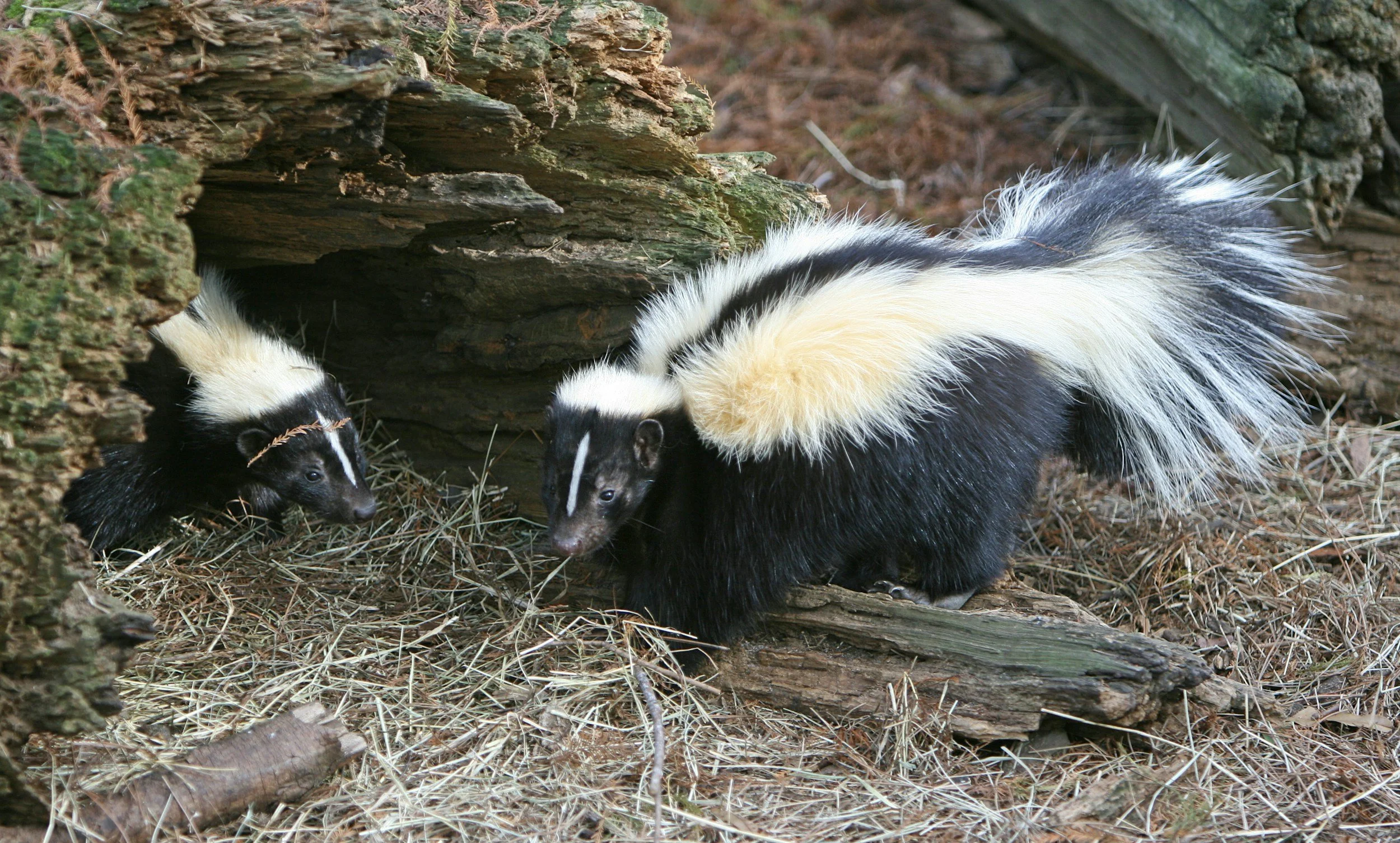
A skunk in the Kootenay Lake region has tested positive for rabies, prompting Interior Health to urge anyone bitten or scratched by a skunk in the area to seek medical attention.
File photo
A skunk in the Kootenay Lake region has tested positive for rabies, prompting Interior Health to ask anyone who may have had contact with a skunk in the area to come forward for assessment.
Interior Health and the BC Centre for Disease Control confirmed the infection Sept. 17. Health officials believe the animal was infectious between Aug. 15 and Sept. 4.
A small number of people who may have been exposed have already been assessed and treated, according to Interior Health. The public alert does not identify where in the Kootenay Lake region the skunk was found or provide details about the possible exposures.
Anyone who was bitten or scratched by a skunk in the Kootenay Lake region should contact a local public health office, see a primary-care provider or go to an emergency department immediately, particularly if the contact happened after Aug. 15.
People who had other contact with a skunk can call HealthLink BC at 811 for advice about whether a medical assessment is needed.
Rabies is a viral infection that affects the brain and nervous system. The virus is found in the saliva and nervous-system tissue of infected animals and is usually transmitted through a bite or, less commonly, a scratch.
Interior Health says rabies is not transmitted through contact with skunk spray, urine or feces.
Anyone bitten or scratched by a skunk, bat or other wild animal should wash the wound with soap and warm water for at least 15 minutes and seek medical care immediately.
Rabies infections in people are extremely rare in B.C. and Canada, and the disease can be prevented with prompt post-exposure treatment. Once symptoms develop, rabies is almost always fatal.
Bats are the only known reservoir for rabies in B.C., although the virus occasionally spreads from bats to other mammals. The BCCDC says there is no evidence of continued transmission among other animal species in the province.
Skunks have tested positive in B.C. before. Provincial rabies guidance records a rabid skunk in Nelson in 2021, as well as four skunks in Stanley Park in 2004.
Interior Health is also advising residents to keep pets vaccinated against rabies, supervise them outdoors and prevent contact with wildlife. Any pet bitten or scratched by a skunk or other wild animal should be taken to a veterinarian.
People should avoid approaching or handling wild animals that appear sick, injured or behave unusually. A skunk or other wild animal that appears disoriented, stumbles, shows unusual aggression or has lost its fear of people can be reported to the provincial RAPP line at 1-877-952-7277.









Work is continuing at the historic Kenville Gold Mine west of Nelson as Ximen Mining Corp. seeks longer-term financing for a planned new underground portal and decline.