The smartest man Dolly Parton knew could not read
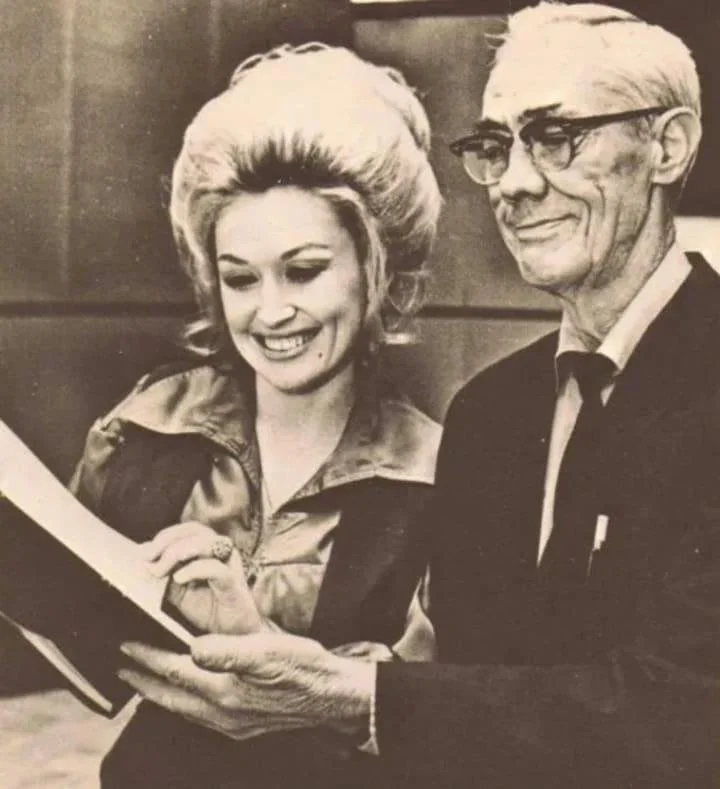
Dolly Parton looks through a book with her father, Robert Lee Parton, whose inability to read and write inspired her to create the Imagination Library. The program has mailed more than 300 million books to children worldwide.
Photo source: Greenland Genealogy
Lee Parton could not read or write, but his daughter called him the smartest man she had ever known. Before he died in 2000, he told Dolly Parton that the Imagination Library was probably the most important thing she had ever done, and she treasured the compliment because she believed his illiteracy had prevented him from fulfilling some of his dreams.
That knowledge gave the program its purpose. Parton understood that intelligence did not guarantee opportunity, particularly in a poor rural family where education could be interrupted by work, distance or simple necessity, and she wanted children in her home county to begin life with something her father had gone without.
Parton was born in 1946, one of 12 children living in a one-bedroom home in the Smoky Mountains of Tennessee. She knew how rural poverty looked to outsiders, because her accent, clothes and family history all gave people reasons to decide who she was before she had shown them what she could do.
Instead of sanding those details away as she became famous, she made them part of her work. In “Coat of Many Colors,” her mother sews a coat from a box of rags and tells her the biblical story of Joseph, so the child arrives at school proud of what she is wearing and is bewildered when her classmates laugh. The family remains poor throughout the song, but the coat carries a value the other children cannot see.
Parton brought the same understanding to “9 to 5,” which she built around the sound of her acrylic fingernails tapping together like typewriter keys. The music bounced along cheerfully while the lyrics described what it felt like to work hard for a boss who took the credit, controlled the promotions and kept his employees struggling to get by.
She generally stayed out of partisan politics, in part because she knew her audience included Republicans and Democrats, but she did not avoid every subject that might divide them. She supported same-sex marriage and spoke against restrictions on transgender people, and when Billboard asked her about the Black Lives Matter movement in 2020, she replied:
“Of course Black lives matter. Do we think our little white asses are the only ones that matter? No!”
She also removed “Dixie” from the name of her Civil War-themed dinner attraction after recognizing its association with the Confederacy. Parton did not ask her audience to agree with her on a complete political platform, but she was willing to reconsider something she owned when people explained the harm they saw in it.
That may be part of the reason she retained the affection of people who otherwise had little in common. Country listeners who shared her Christian upbringing loved her, and so did queer fans and drag performers who recognized the freedom with which she had constructed herself. Parton could speak to one group without treating another as the enemy.
The Imagination Library followed much the same approach. It began in 1995 by mailing one free book each month to children in Sevier County from birth until age five, with each book addressed directly to the child. Families did not have to demonstrate financial need, which removed the forms and judgments that so often accompany assistance.
By the time Parton died on Aug. 25 at 80, the program had mailed more than 300 million books around the world. Canada became its first international partner in 2006, and over the following 20 years, more than five million books were sent to Canadian children. The program now mails approximately 60,000 books a month in this country.
Parton’s response to the 2016 wildfires in Sevier County carried the same trust in the people she wanted to help. Her My People Fund provided $1,000 a month for six months to nearly 1,000 families whose primary homes had been destroyed or made uninhabitable, and the families were allowed to decide where the money was most urgently needed.
Since her death, Parton has often been described in language approaching sainthood, although she was also a disciplined businesswoman who spent decades managing her public image and building a commercial empire. Those business instincts helped her turn a small county literacy project into an international program capable of placing millions of books in the mail every month.
Some of those books are already arriving in this part of British Columbia. The Literacy Alliance of the Shuswap Society operates the Imagination Library in the North Okanagan–Shuswap, where registered children receive a book each month from birth to age five, while Métis Nation British Columbia offers the program to eligible Métis children throughout the province.
The Boundary and West Kootenay do not currently have a general Imagination Library partner listed in the program’s Canadian directory, but local literacy work is well established here. The Columbia Basin Alliance for Literacy offers free programs in Grand Forks and across the West Kootenay, helping families as well as adults who want to strengthen their reading or improve the English and digital skills they need in daily life.
In Kelowna, Project Literacy Central Okanagan matches adults with volunteer English tutors and provides reading support for elementary students. Its work spans the course of a life, reaching children who need extra practice at school and seniors who need help navigating an increasingly digital world.
The Imagination Library depends on local partners to enrol children and raise the community’s portion of the cost, so bringing it to the Boundary or West Kootenay would require more than admiration for the woman who founded it. It would require an organization prepared to carry the work after the tributes have ended.
The result would be wonderfully ordinary. Somewhere in the Boundary, a parent would bring in the mail and hand a package to a small child, who would see their own name printed on the label before opening the book inside.
Dolly Parton understood that the package could not remove every barrier facing that child, but it could tell them that the book was theirs and that someone believed they should have it.


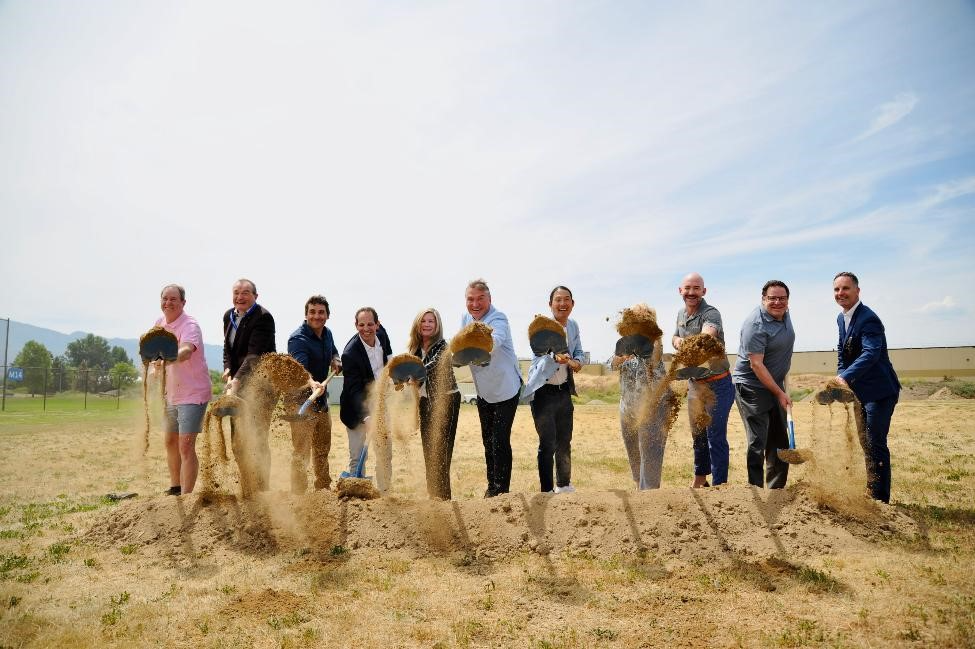



Nine new outdoor pickleball courts opened at Glenmore Recreation Park on Oct. 8, expanding public recreation facilities in north Kelowna as construction continues on other parts of the park.