Grand Forks and Midway tighten water use as drought bears down on the Boundary
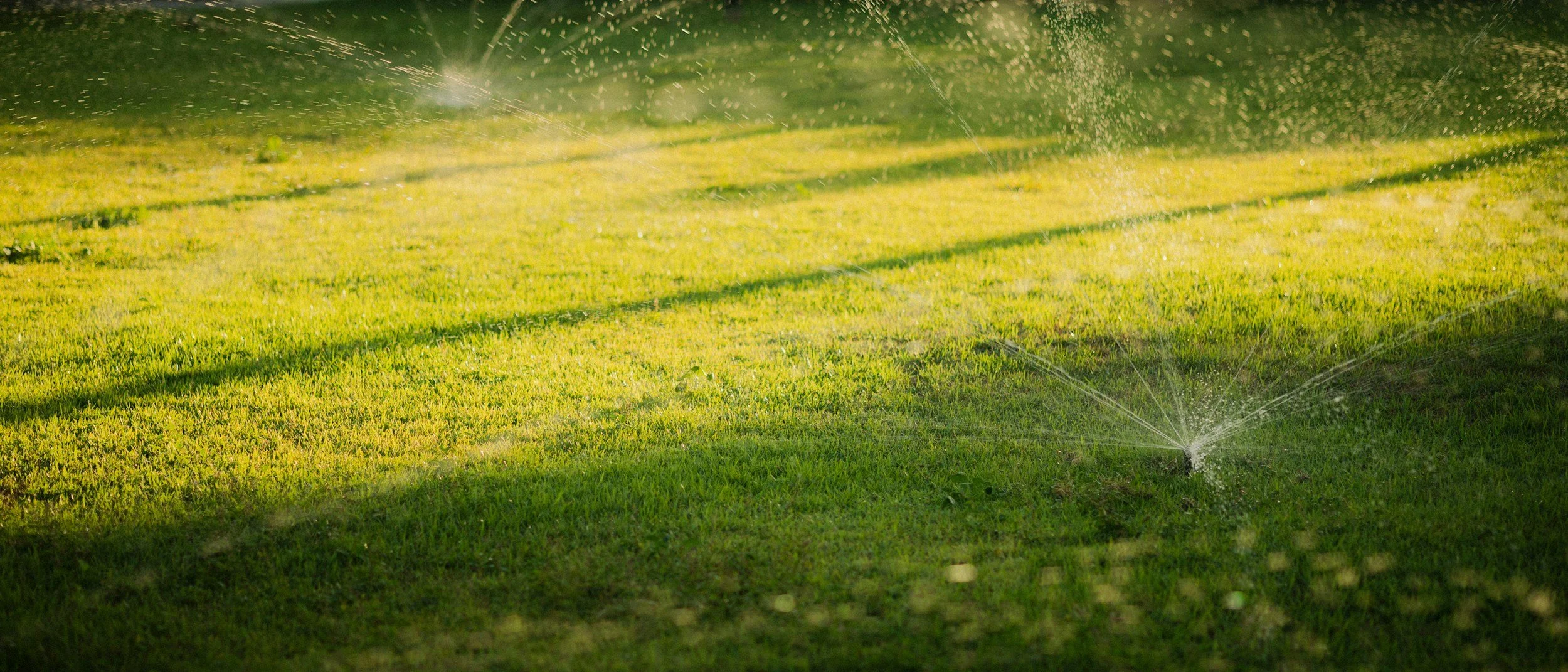
Sprinklers water a lawn. Grand Forks and Midway have tightened outdoor water-use restrictions as drought conditions worsen across the Boundary.
File photo
Two Boundary communities are tightening outdoor water use as worsening drought and exceptionally low river flows put increasing pressure on the Kettle River watershed.
Grand Forks moved to Stage 1 water restrictions Monday, Aug. 17, three days after the Village of Midway imposed stricter limits on watering yards and gardens.
The City of Grand Forks said the Stage 1 restrictions were being introduced because of current provincial drought conditions.
Under Stage 1, residents are limited to outdoor watering two days a week. Odd-numbered addresses may water Wednesdays and Sundays, while even-numbered addresses may water Tuesdays and Saturdays.
Manual sprinklers are permitted from 6 to 9 a.m. and 7 to 10 p.m. on designated watering days. Automatically timed sprinklers may operate between midnight and 4 a.m.
Hand watering with a spring-loaded nozzle is permitted at any time.
Filling or refilling swimming pools, ponds and water features is prohibited under Stage 1, although they may be topped up twice a week during permitted watering periods.
The City is also targeting a 30 per cent reduction in municipal water consumption during Stage 1, while allowing priority watering for areas such as City Park, boulevards and planters.
Midway's restrictions took effect immediately on Aug. 14.
Residents there may water yards and gardens for no more than two hours per household per day, with those two hours falling anytime between 6 p.m. and 10 a.m.
The Village warned that further restrictions — including the suspension of some water use — could be introduced if conservation efforts do not reduce demand sufficiently.
It is also asking people with private wells to conserve water. The Village says both its municipal water system and private wells draw from the same aquifer, meaning heavy use from either source can affect groundwater levels.
The Aug. 14 restrictions were not Midway's first effort to curb summer water use. Regular summer rules already prohibit irrigation between 10 a.m. and 6 p.m., and the Village had been warning residents for weeks that tighter measures could be needed.
In a June 24 newsletter, Midway said Public Works had recorded a substantial increase in water use following warm weather in early May. At the same time, river levels were already below those seen in recent years.
The Village warned then that further restrictions should be expected if dry conditions persisted.
Those concerns have grown as the summer has progressed.
On July 13, the Boundary Integrated Watershed Service reported the Kettle River watershed at provincial Drought Level 3 on B.C.'s zero-to-five scale. The neighbouring Okanagan watershed was already at Level 4.
The watershed service said low winter snowpack and warmer-than-normal conditions earlier in the year had contributed to the dry start to summer. Rain provided some temporary relief, but officials warned low flows could return quickly.
By Aug. 5, the Kettle watershed had risen to Drought Level 4, while the Okanagan had reached the maximum Level 5.
Conditions have been particularly severe in the West Boundary.
The Kettle River south of Midway was running at about seven per cent of its mean annual discharge in the Aug. 5 update, with flows described as record-low for that time of year.
Farther downstream, the Kettle River south of Christina Lake was measuring about 11.5 per cent of mean annual discharge.
Provincial monitoring had already shown unusually low flows in late July. The West Kettle River at Westbridge recorded its lowest seven-day flow on record for that date, while the Kettle River near Westbridge was around the second percentile. The Granby River at Grand Forks was also well below normal.
Provincial drought levels do not automatically determine municipal water restrictions. The provincial scale measures how dry conditions are compared with the historical record, while individual communities must also consider their own water supplies, groundwater conditions and local demand.
That means Grand Forks' Stage 1 designation should not be confused with the wider watershed's provincial Level 4 drought rating.
But the moves in Grand Forks and Midway mark another tightening of water conservation across the Boundary after local officials spent much of the summer warning that low river flows and prolonged dry conditions could force further restrictions.



Property owners and their designated representatives can enter specific Bald Range wildfire-affected properties under a Prohibit Entry Order, while general visiting and occupancy remain prohibited as post-fire hazards and recovery work continue.