B.C. sues OpenAI over alleged failure to warn police before Tumbler Ridge shooting
Province and Peace River South school district seek damages and court-ordered safeguards after ChatGPT account was reviewed months before attack
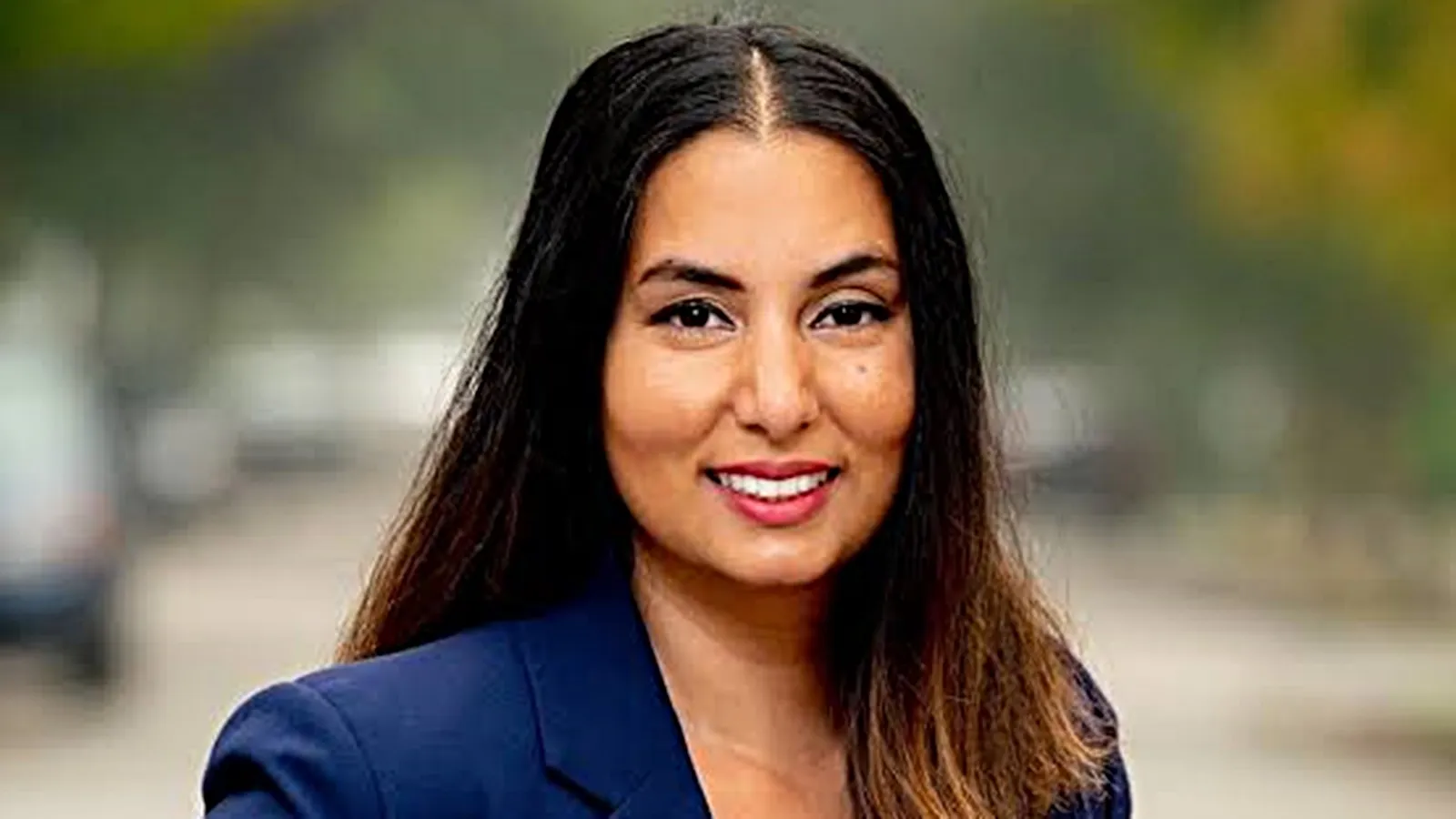
B.C. Attorney General Niki Sharma.
Photo: Province of British Columbia
VICTORIA — The B.C. government and School District 59 have sued OpenAI and chief executive Sam Altman in California, alleging the company failed to warn law enforcement about threats made on its platform before the Feb. 10 mass shooting at Tumbler Ridge Secondary School.
The lawsuit was filed Sept. 21 in the U.S. District Court for the Northern District of California by the Province and the Board of Education of School District 59, Peace River South. The federal court classifies the case as a tort product-liability action.
B.C. Attorney General Niki Sharma said the lawsuit raises questions about the responsibilities of technology companies when they become aware of credible threats of serious violence and what steps they should take to protect the public.
“The people of Tumbler Ridge have endured an unimaginable loss, and they deserve answers and accountability,” Sharma said in announcing the action.
OpenAI has acknowledged that one of the shooter’s ChatGPT accounts came to its attention months before the attack.
In a Feb. 26 letter to federal Artificial Intelligence Minister Evan Solomon, the company said an automated system detected the account in June 2025 and it was sent to human reviewers to determine whether OpenAI’s policies had been violated and whether a referral to law enforcement was warranted.
OpenAI subsequently banned the account but did not make a police referral. The company said the information available at the time did not amount to “credible and imminent planning” that met its threshold for contacting law enforcement.
B.C. now alleges OpenAI should have warned authorities.
The Province had retained lawyers in British Columbia and California in July to pursue potential legal action related to OpenAI’s handling of the account. The lawsuit filed Monday includes SD59 as a plaintiff and seeks damages and injunctive relief.
Lawyers representing the Province and school district allege OpenAI knowingly failed to warn of a danger that ultimately ended in the Tumbler Ridge shooting. They also allege the company released a dangerous and defective product without adequate safeguards.
Those allegations have not been determined by a court.
OpenAI says it would make a different decision today
OpenAI has acknowledged that the decision it made in June 2025 would be different under its current approach.
“Under our enhanced law enforcement referral protocol, we would refer the account banned in June 2025 to law enforcement if it were discovered today,” the company told Solomon in February.
OpenAI said it has since made its referral criteria more flexible, recognizing that a user may present a potential risk of imminent violence without explicitly identifying a target, means and timing in a ChatGPT conversation.
The company also disclosed that the shooter had used a second ChatGPT account.
OpenAI said it discovered that account after the perpetrator’s name became public following the shooting and shared it with law enforcement. The company said an existing system intended to identify people who create new accounts after previous accounts are shut down had failed to detect the second account.
OpenAI committed to strengthening those detection systems and periodically reviewing the thresholds used to identify potentially violent activity.
The company also said it would establish direct points of contact with Canadian law-enforcement authorities for cases in which it decides a referral is necessary because of a potential risk of real-world violence.
OpenAI’s current published community-safety policy says automated systems can identify potentially concerning activity, which can then be reviewed by trained staff. The company says conversations indicating an imminent and credible risk of harm to others can be referred to law enforcement.
Province seeks damages and safety changes
Lawyers representing B.C. and SD59 say the plaintiffs are seeking both damages and an injunction requiring safeguards intended to prevent similar harm.
The amount of damages and the precise measures sought by the plaintiffs were not detailed in the public statements reviewed by the Sentinel.
Sharma said the lawsuit is also part of a broader push by the Province for stronger regulation of artificial intelligence. She said she has written to federal ministers seeking amendments to the Criminal Code intended to create a pathway to human accountability for actions involving AI.
She also criticized OpenAI’s response since the shooting, saying the company had not taken meaningful steps to address concerns raised by survivors, families and the Tumbler Ridge community.
OpenAI’s February letter outlined several commitments following the shooting, including changes to its law-enforcement referral criteria, stronger efforts to identify repeat policy violators and direct contacts with Canadian authorities.
No statement responding specifically to the Sept. 21 lawsuit was found on OpenAI’s official website in a Sept. 22 review.
The California case now places the Province and school district’s allegations before a U.S. federal court, where OpenAI will have an opportunity to respond.







Chilliwack RCMP is asking for the public’s help locating a 67-year-old woman reported missing Tuesday.