Meet the candidates: Keith Pomeroy, OneBC
Pomeroy answers 11 Boundary Sentinel questions on forestry, rural health care, affordability and representing Boundary-Similkameen.
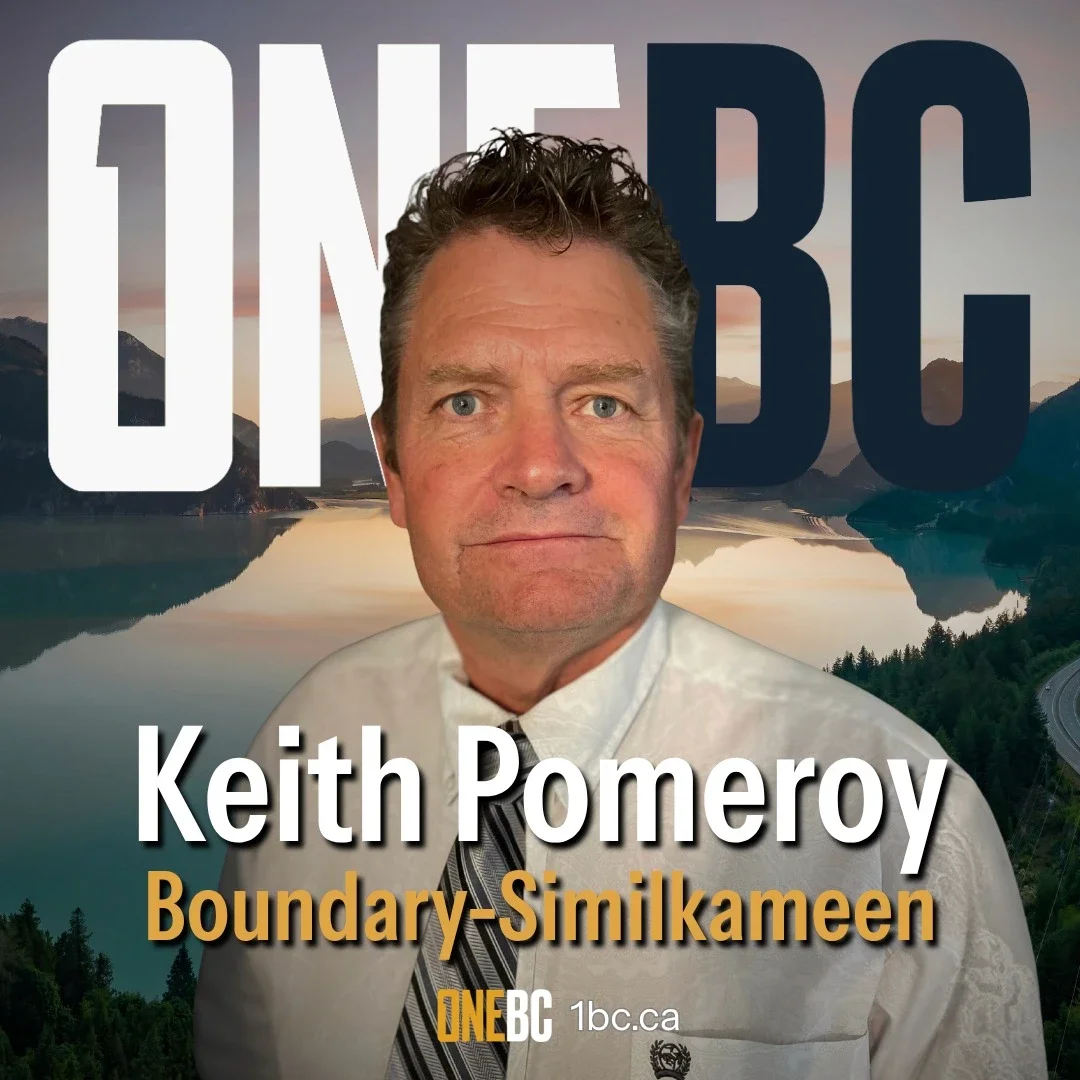
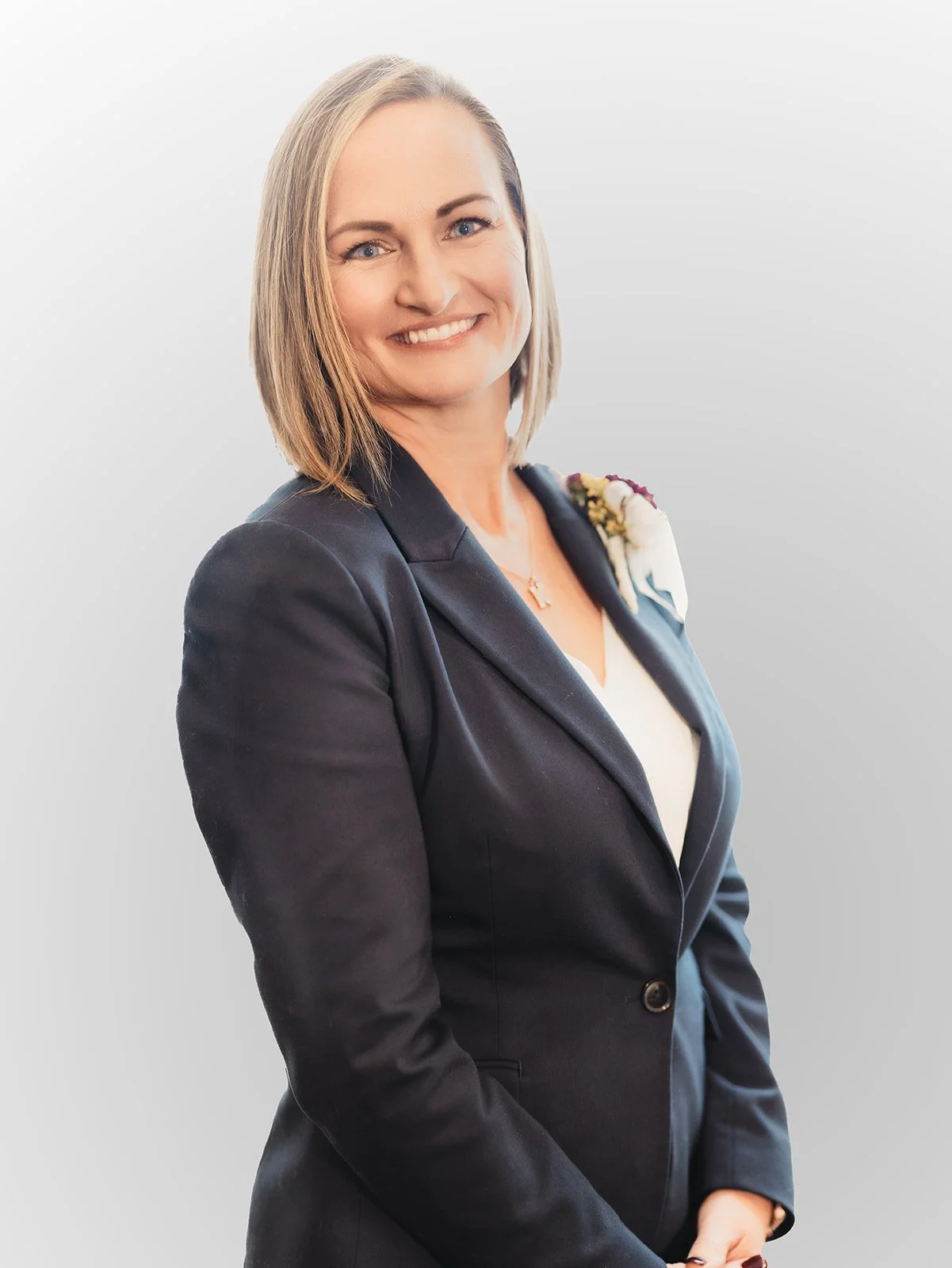
Keith Pomeroy is the OneBC candidate for Boundary-Similkameen in the October 24, 2026 provincial election.
Photo credit: OneBC
Boundary-Similkameen | 2026 provincial election
The Boundary Sentinel invited all three candidates running in Boundary-Similkameen in the October 24, 2026 provincial election to answer questions about their backgrounds, priorities and plans for the riding.
The questionnaires covered common issues, including forestry, rural health care, agriculture, affordability, constituency representation and political accountability, along with questions tailored to individual candidacies.
Candidate profiles are being published as responses are received. The answers below are presented in full, without cuts, and reflect the candidate's own views, statements and proposals.
Keith Pomeroy is the OneBC candidate for Boundary-Similkameen. A rancher and business owner from Grand Forks, he has worked in agriculture and the oil and gas industry. He is running against BC NDP candidate Roly Russell and Conservative candidate Donegal Wilson.
Pomeroy submitted the following responses to the Boundary Sentinel on October 21, 2026.
Find Roly Russell’s responses here.
Question one:
What has motivated you to run for MLA, what experience would you bring to the Legislature, and what do you want voters to understand about you?
I'm a rancher from Grand Forks. I've spent 50 years in agriculture and 35 years in oil and gas, finishing as a supervisor of crews of more than 1,100 people with budgets over $500 million. Today I run a ranch, a gravel pit and a small construction business here in the Boundary, and I've met payroll in good years and bad.
I'm running because life in rural B.C. has become too expensive, and too many decisions that shape our towns are made far away by people who don't live with the results.
I want voters to know that I'm a local man who knows this land and these industries first-hand, and that I'll vote the way this riding wants.
Question two:
What do you consider the single most urgent issue facing Boundary-Similkameen, and what specific action would you take on it during your first year in office?
Cost of living. Families, seniors and small businesses across the riding tell me they are stretched to the limit. I would immediately push for a 25 per cent cut to provincial income tax in every bracket and two points off the PST.
With a record $13.8-billion deficit, we need a full audit of provincial spending, and a faster, simpler regulatory process that encourages investment and gets projects built.
Question three:
Rural health care remains a persistent concern across the riding, including emergency-department coverage, staffing, access to family doctors and the distance some residents must travel for care. What specific changes would you push for, and what would success look like by the end of your term?
I would push to repeal Bill 36, the Health Professions and Occupations Act, and to reinstate all of the health-care workers who lost their jobs, with an apology. Our rural hospitals and clinics can't afford to lose experienced nurses and staff.
Success by the end of the term would mean those workers back on the job and our local hospitals fully staffed.
Question four:
Forestry and mill employment remain important to communities across the Boundary. What do you believe is actually within the provincial government's power to change when it comes to fibre supply, permitting, local processing and keeping forestry jobs in communities such as Grand Forks and Midway?
Our sources state there is fibre available in this region. The bottleneck is permitting, and permitting is in the province's hands. Slow approvals leave our mills and contractors waiting. I would push to speed up permits so mills in Grand Forks and Midway can count on a steady supply and keep those jobs in our communities.
Question five:
Agriculture is central to the South Okanagan and Similkameen, while producers face pressure from drought, water availability, changing weather, input costs and land-use decisions. Which provincial policies would you change or strengthen to make farming more viable in this riding over the next decade?
Water is our biggest shortfall. Water licensing has limited farmers' and ranchers' access to our own water supply. I would push for a review of water licensing, with full public consultation, so producers in this riding have reliable access to water.
Question six:
Affordability is discussed constantly in provincial politics, but many of the pressures facing rural residents — transportation, utilities, housing, food and access to services — differ from those in larger cities. Which affordability problems do you believe the province can realistically improve in Boundary-Similkameen, and what would you do about them?
Taxes: a 25 per cent provincial income tax cut and two points off the PST put money back in people's pockets every month.
Vehicle insurance: OneBC would phase out ICBC's monopoly so drivers can shop for coverage.
Housing: scrap the extra Step Code building requirements that add cost to every new home in small towns, and speed up permits.
Roads and connectivity: fix roads and bridges and close cell-service gaps on Highway 3, which matter to every business and commuter in the riding.
Question seven:
Boundary-Similkameen stretches from the South Okanagan through the Similkameen and across the Boundary, and residents sometimes feel their part of the riding receives less attention than another. How would you make sure smaller and more distant communities have meaningful access to you and an equal voice in the decisions you take to Victoria?
By showing up. This campaign has taken me from Princeton and Keremeos to Oliver, Osoyoos, Greenwood and Christina Lake, with a town hall in Princeton this week.
As MLA I would keep doing that, and I would make sure every community, from the Similkameen to the Boundary, has a direct way to reach my office.
Question eight:
Political divisions have become increasingly visible in B.C. and within local communities. How do you represent people who strongly disagree with you or did not vote for you, and what would you do as MLA to bring divided voices into the same conversation rather than deepen those divisions?
An MLA works for everyone in the riding, not just the people who voted for them.
I would keep my door open to everyone, hold town halls that are open to all, and listen first. In this campaign I've made a point of contrasting plans, not attacking people, and I'd carry that into the job.
Most people in our riding want the same things: affordable lives, good jobs and safe communities. We can start there.
Question nine:
An MLA is elected locally but also sits as part of a provincial party caucus. If your party's position conflicts with what you believe is in the best interests of Boundary-Similkameen, which responsibility comes first? Can you give an example of the kind of issue on which you would be prepared to publicly disagree with or vote against your own party?
The riding comes first. I'll vote the way this riding wants, not the way a party boss tells me.
Question ten:
If voters elect you and we ask this question again four years from now, what two or three concrete results should they use to decide whether you were an effective MLA? Please be as specific as possible about what you would expect to have accomplished.
Lower cost of living: provincial income tax and the PST cut, and more money left in local families' pockets.
Better roads and infrastructure: roads and bridges repaired, and real progress closing cell-service gaps on Highway 3.
More private-sector jobs: mills running and new projects moving forward because permits are approved faster than today.
Question 11:
You are running under the OneBC banner in a riding previously represented by both the BC NDP and BC Conservatives. What led you to choose OneBC, which of its policies do you believe would make the greatest difference for Boundary-Similkameen, and how would you ensure the riding's interests are represented if your party holds relatively few seats in the Legislature?
The OneBC policies I believe would make the biggest difference here are:
a 25 per cent income tax cut;
two points off the PST;
streamlining the regulations that hold back resource development.
If OneBC holds only a few seats, a small caucus can still matter, especially in a close Legislature. I would work with any member, from any party, to get results for this riding, whether that's roads, wildfire response or health care.

The federal government is renewing $30 million in funding for a national loan program that helps women start or expand businesses, with loans of up to $50,000 available through participating nonprofit organizations.