Amanda Leduc brings disability advocacy and literary mentorship to Calgary residency
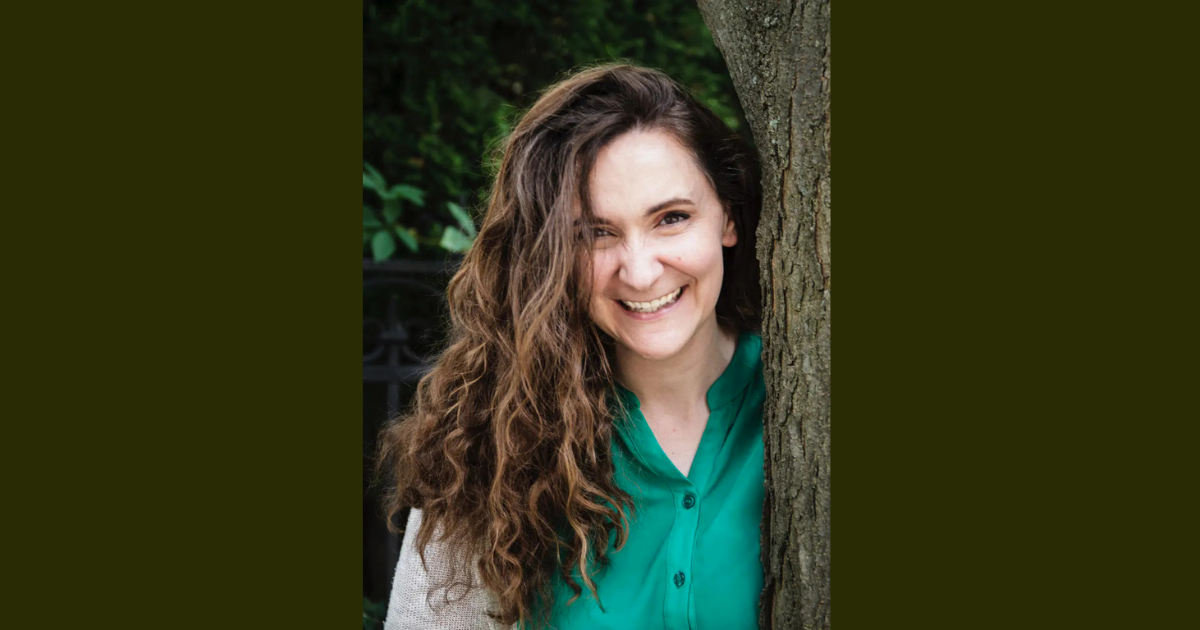
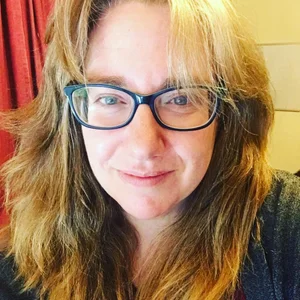
Amanda Leduc is the University of Calgary’s 2026–27 Canadian Writer-in-Residence. The Hamilton-based author’s work includes Disfigured: On Fairy Tales, Disability, and Making Space and the novel Wild Life.
Canadian author Amanda Leduc will spend the next 10 months writing, meeting with readers and helping other writers develop their work as the University of Calgary’s 2026–27 Canadian Writer-in-Residence.
Her appointment through the Calgary Distinguished Writers Program runs from Sept. 1 to June 30, with a public event planned for Sept. 21.
Writers do not have to wait until then to work with her.
The university is already accepting manuscripts for free consultations with Leduc. Writers from across Canada can submit their work, although priority is given to those in the Calgary area.
For Leduc, the residency brings together several threads that have run through her career: writing, mentorship and her work around disability and representation in storytelling.
The Hamilton, Ont.-based author describes herself as a disabled Canadian writer and speaks across North America about accessibility, inclusion and disability in storytelling.
Her 2020 nonfiction book, Disfigured: On Fairy Tales, Disability, and Making Space, examined the way disability appears in fairy tales and popular culture and questioned what those stories teach readers about bodies that fall outside conventional ideas of normality.
The book was shortlisted for the 2020 Governor General’s Award in Non-Fiction.
Leduc has also carried questions about bodies, difference and the boundaries people construct into her fiction.
Her latest novel, Wild Life, published in 2025, follows two walking, talking hyenas as they interact with humans over decades.
The novel was longlisted for the 2025 Giller Prize and the 2026 Carol Shields Prize for Fiction.
Her earlier novels are The Centaur’s Wife, published in 2021, and The Miracles of Ordinary Men, published in 2013.
Leduc holds a master’s degree in creative writing from the University of St. Andrews in Scotland and has previously worked with developing writers through formal mentorship and residency programs.
She served as McMaster University’s 2022–23 Mabel Pugh Taylor Writer in Residence, a position that included mentoring creative writers from the Hamilton community.
At the time, Leduc told McMaster she hoped to give back to the writing community and offer advice to writers beginning their careers or looking for feedback on their work.
She later served as a nonfiction mentor through the Writers’ Trust Mentorship program in 2024, working with writer Debra Mattson.
That experience will become a substantial part of her work in Calgary.
The Canadian Writer-in-Residence is expected to divide the full-time position equally between the writer’s own work and community outreach. That outreach includes one-on-one manuscript consultations as well as public readings, lectures and other appearances around Calgary and the surrounding area.
For the manuscript program, writers can submit fiction ranging from literary fiction to science fiction and fantasy, excluding fan fiction. Leduc will also consider nonfiction including memoir, personal essays and investigative journalism.
Submissions of fiction, nonfiction, middle-grade and young-adult writing can be up to 2,500 words. Early-reader chapter books and picture books are limited to 1,500 words, while screenplay and teleplay submissions can be up to eight pages.
Leduc will also read poetry and scripts, although the university notes those genres are outside her primary areas of expertise. The same limitation applies to children’s literature for in-depth editorial analysis.
After reviewing a submission, Leduc provides a written response. Writers who want to discuss that feedback further can request a 45-minute follow-up consultation.
Each writer is limited to one individual consultation during the academic year.
Although Calgary-area writers receive priority, the program's decision to accept manuscripts from across Canada gives Leduc's mentorship work a reach well beyond the university campus.
Her public role will extend through the city as well. The Calgary Distinguished Writers Program says its writer-in-residence can take part in literary festivals, book clubs, library programs and events organized by literary and professional organizations.
The other half of the appointment belongs to Leduc herself.
UCalgary gives its writer-in-residence half of the 10-month term to pursue their own writing, whether that means drafting, editing or research.
For Leduc, it comes after a year in which Wild Life put her fiction before two major Canadian literary prize juries.
Beginning in September, some of the stories crossing her desk will belong to other writers.





Toronto writer, poet and editor Terese Mason Pierre has been given one of Worldcon’s featured platforms this week, and she has already said what she wants to do with it.